OpenClaw Telegram stops responding after adding image providers
Telegram can look broken even when Telegram is only the messenger. If OpenClaw receives messages but stops replying after GPT Image 1, image-provider settings, or a large plugin set were added, debug runtime load and provider state before rebuilding the Telegram bot.
Run one primary model, Telegram only, and no optional scraping, browser, image, or experimental plugins for 24 hours. Then add image generation by itself. Add every other plugin or provider one at a time, with a real Telegram reply test after each change.
- A fresh Reddit support thread from 2026-06-07 describes Telegram instability after adding image providers, many plugins and providers, event-loop starvation warnings, high CPU, repeated device approval loops, and improvement from a cleaner
.openclawstate. - OpenClaw release notes in June 2026 include provider, plugin, and channel stability fixes, which makes staged rollout a safer operational posture than restoring every local state file at once.
Why Telegram gets blamed first
Telegram is where you notice the failure: the message arrives, typing may stop, and no answer appears. But the reply path depends on more than the Telegram adapter. Provider initialization, plugin discovery, local caches, device identity, and Gateway startup all run before the final message can be delivered.
Image generation increases the number of moving parts. Provider auth may add startup checks, plugins may expand discovery work, and heavier operations may expose event-loop starvation that was previously hidden. The right response is to shrink the baseline until Telegram replies are boring again.
Symptoms that point beyond Telegram
- Telegram receives inbound messages but the agent never replies.
- Gateway or channel startup hangs after provider or plugin changes.
- Logs mention event-loop starvation, fetch timeouts, or high CPU.
- Device approval prompts repeat after state restore or migration.
- A clean or minimal
.openclawstate behaves better than the restored full state. - The problem appears after adding GPT Image 1, image providers, scraping plugins, browser plugins, or many optional tools.
Minimal production baseline
1. Keep only the channel and one model
Start with Telegram, one primary model provider, and the minimum agent configuration needed to answer text. Leave browser, scraping, image, and nonessential plugins disabled. The first target is not feature completeness; it is a channel that replies consistently.
2. Prove stability for a full day
Send periodic Telegram messages through the same chat or topic your users rely on. Watch for latency, missed replies, startup warnings, and CPU spikes. A baseline that cannot survive 24 hours should not receive more plugins.
3. Add image generation alone
Add the image provider without adding a plugin bundle at the same time. Test a normal text reply first, then a small image task, then another text reply. If text replies degrade after image setup, the provider path is now the lead suspect.
4. Restore plugins one at a time
Add one plugin or provider category per change window. After each change, run a Telegram reply smoke test and a Gateway restart smoke test. Keep a rollback note for the exact plugin that changed the behavior.
Selective restore checklist
- Restore first: Telegram bot token or channel connection, required agent config, primary provider credentials, and known-good workspace instructions.
- Hold back: plugin discovery caches, stale device identity, local runtime databases, provider cache state, old approval loops, and temporary files.
- Reintroduce carefully: image provider settings, browser tools, scraping tools, extra model providers, and custom plugins.
Device approval loops
Repeated approval prompts usually point to identity or Gateway registration drift. Copying a full state directory can preserve the drift. Prefer documented pairing or repair flows so the current Gateway, device identity, and channel registration agree.
Stop babysitting your OpenClaw box
Fix it once — or stop fixing it for good.
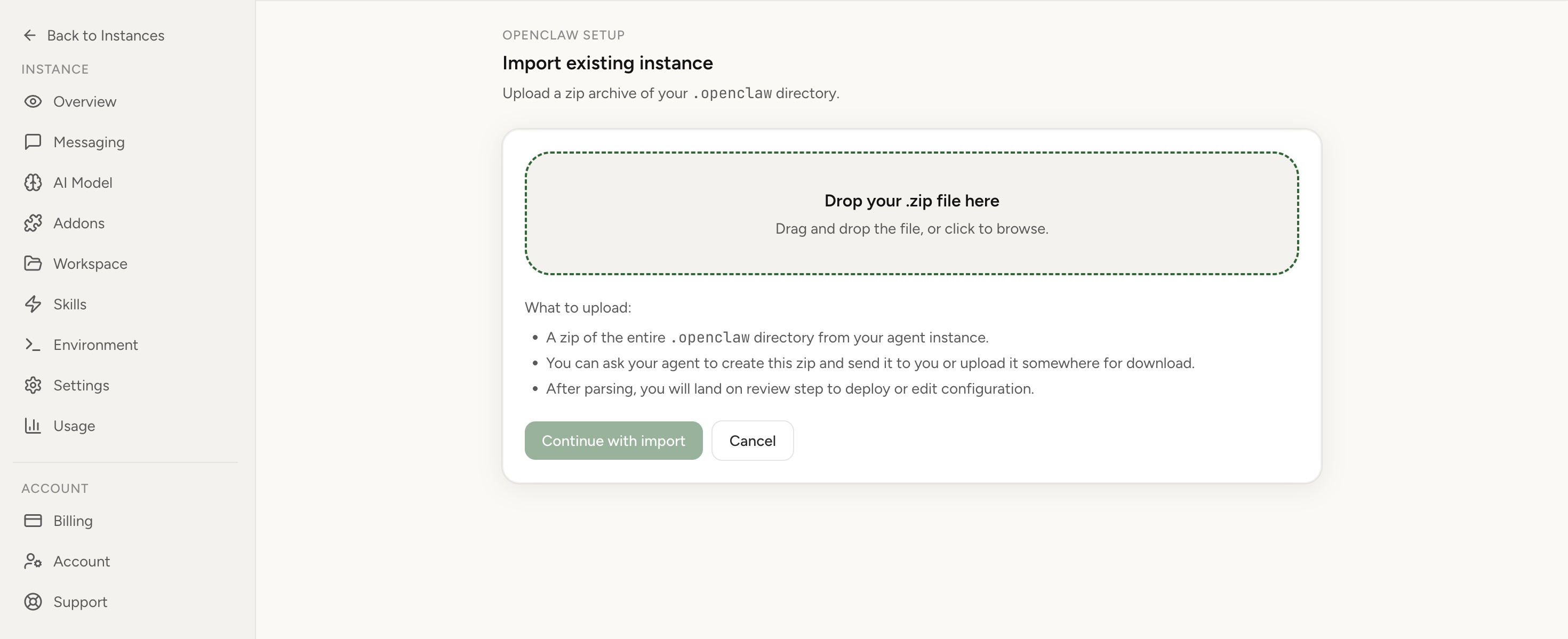
Apply the checklist above and keep self-hosting, or skip the maintenance entirely: run your OpenClaw on managed hosting from $6.90/mo, starting with a 7-day free trial. We handle the stale locks, gateway restarts, version upgrades, and uptime — and you can import your existing instance in a couple of minutes. Cancel anytime.
- Managed hosting handles stale
.jsonl.lockfiles, gateway restarts, and version upgrades for you - Import your existing OpenClaw setup in minutes — keep your channels and configuration
- The optional $199 setup is scoped: no custom development, enterprise/SRE support, or unsupported self-hosting repair
If you would rather compare options first, review OpenClaw cloud hosting or see the best OpenClaw hosting options before deciding.
Lobsterland managed-hosting angle
Lobsterland keeps a stable default plugin and provider footprint for hosted OpenClaw instances and can isolate heavier add-ons from the channel listener path. That matters when Telegram is your primary interface: the listener should stay responsive even while optional capabilities evolve.
Related Lobsterland guides
- OpenClaw Telegram setup guide
- OpenClaw Telegram timeout on Windows Node 24 fix
- OpenClaw Telegram typing but no reply fix
- OpenClaw provider OAuth route failure fix
- Managed OpenClaw hosting