OpenClaw "Control UI requires device identity" fix for VPS and remote dashboards
Problem statement: you opened the OpenClaw dashboard from a VPS, LAN IP, hosting-provider
button, HTTPS proxy, or Tailscale route and the WebSocket closes with 1008 or
Control UI requires device identity. This is not just a random token problem. Secure browser
context, origin allowlisting, gateway URL, pairing, and browser device identity are separate layers.
For quick local access, open http://127.0.0.1:18789/ or use an SSH tunnel back to localhost. For
real remote access, use HTTPS or Tailscale with explicit gateway.controlUi.allowedOrigins, then
complete device pairing when required. Do not expose a public unauthenticated Control UI or use wildcard
origins as a production fix.
What the error means
The Control UI is served by the OpenClaw gateway and communicates over WebSocket. Local loopback browser
connections are treated differently from remote LAN, VPS, or public HTTP connections. A new browser/device
generally needs a stable device identity and one-time approval. If the browser cannot present that identity, or
if the gateway does not trust the route, the connection can fail with a policy close such as 1008.
Fix path by setup
- Same machine: open
http://127.0.0.1:18789/orhttp://localhost:18789/. Avoid switching between localhost, LAN IP, and a public hostname while debugging. - Remote VPS: use an SSH tunnel to localhost, or put HTTPS in front of the gateway and add the
exact browser origin to
gateway.controlUi.allowedOrigins. - Tailscale Serve: keep the browser identity requirement in mind. Tailscale can provide a trusted route only when identity verification and browser device identity expectations are met.
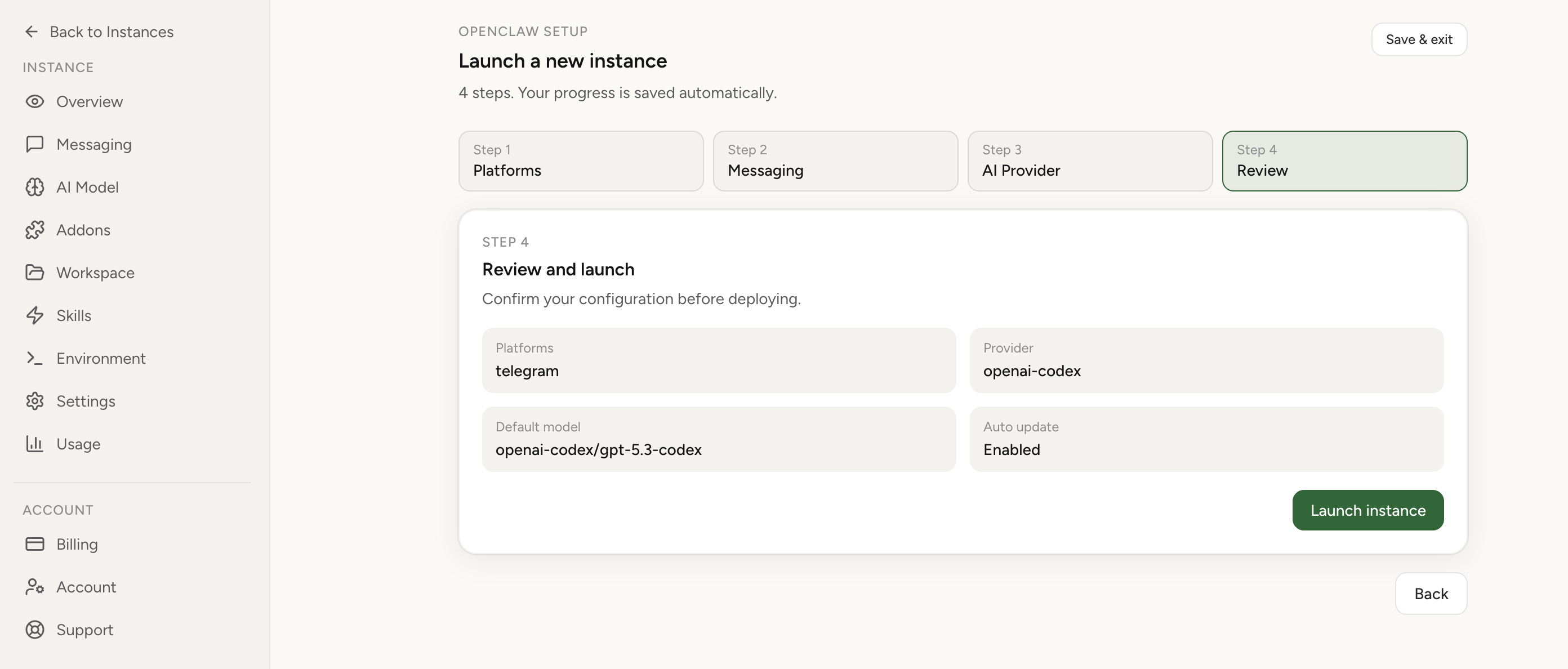
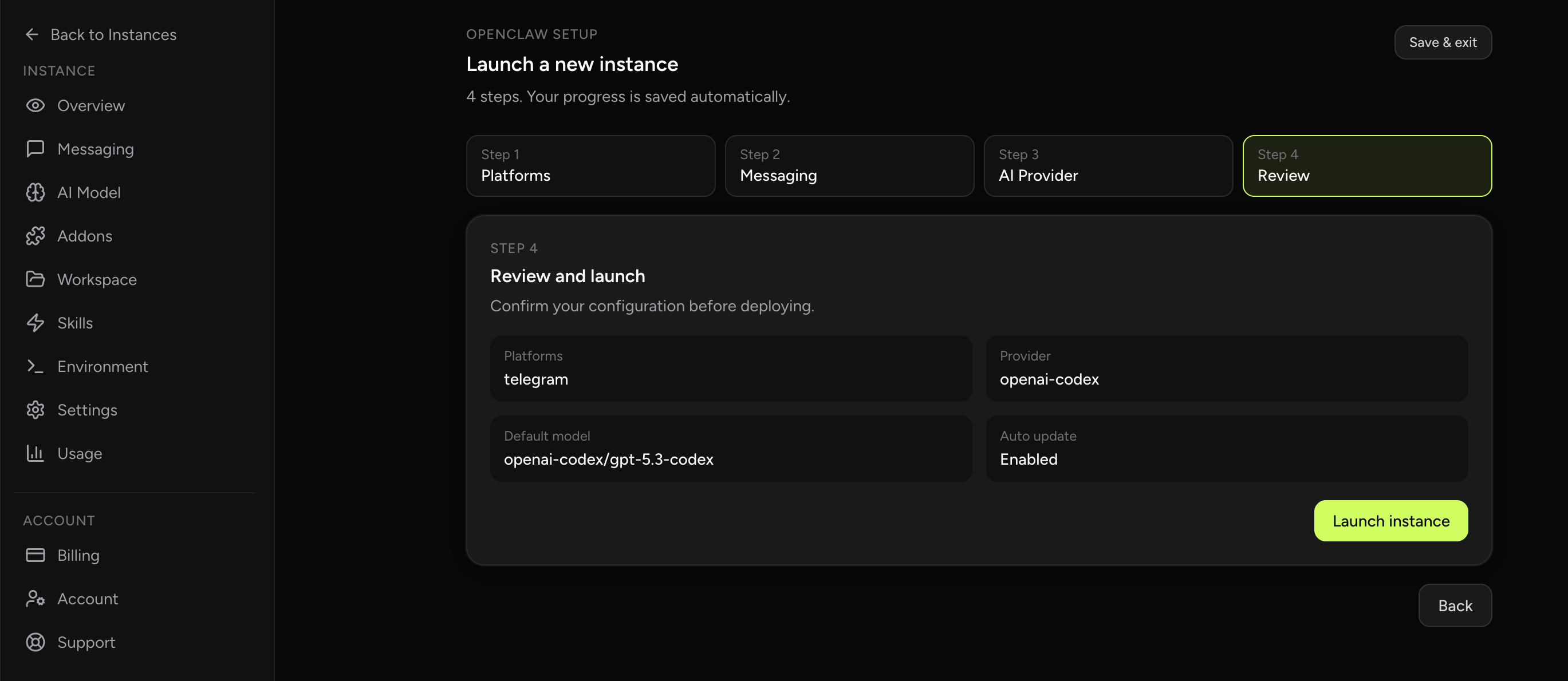
- Hosted or managed: prefer a route that keeps gateway URL, token handling, HTTPS, allowed origins, and device identity expectations stable across restarts.
Stop babysitting your OpenClaw box
Fix it once — or stop fixing it for good.
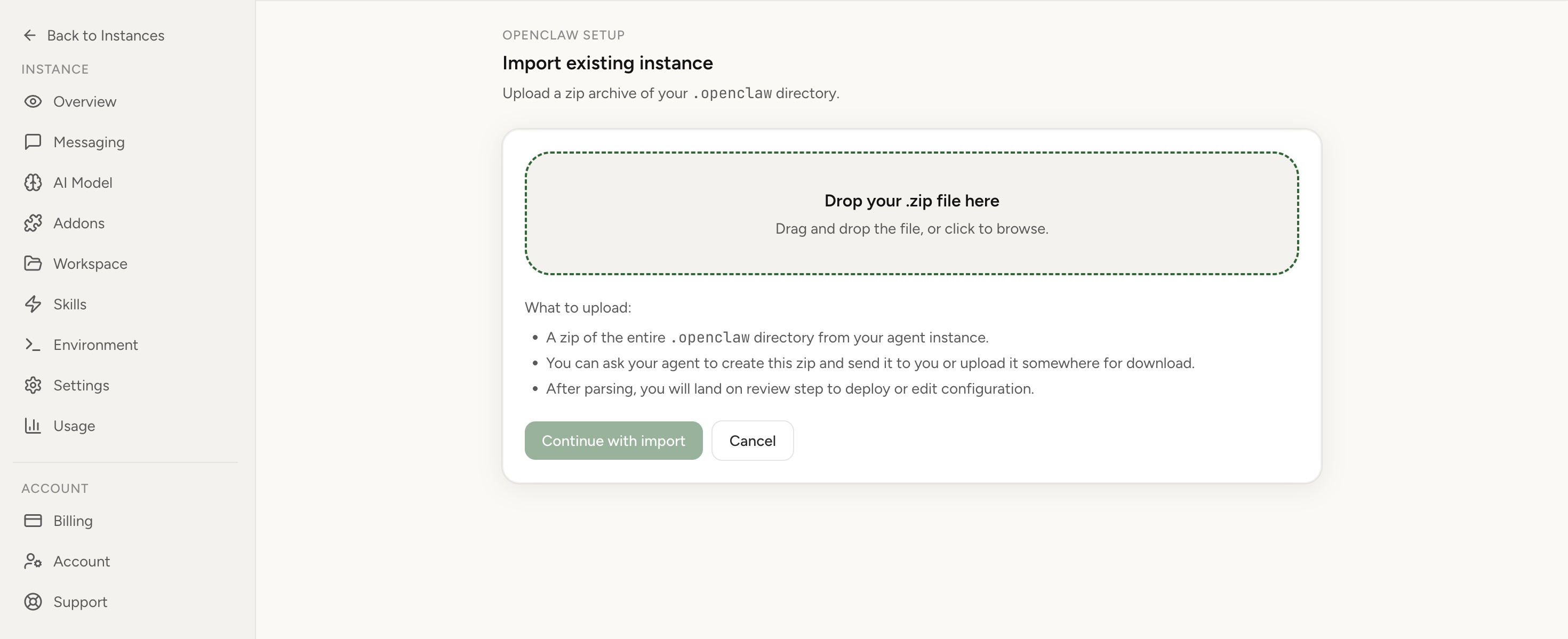
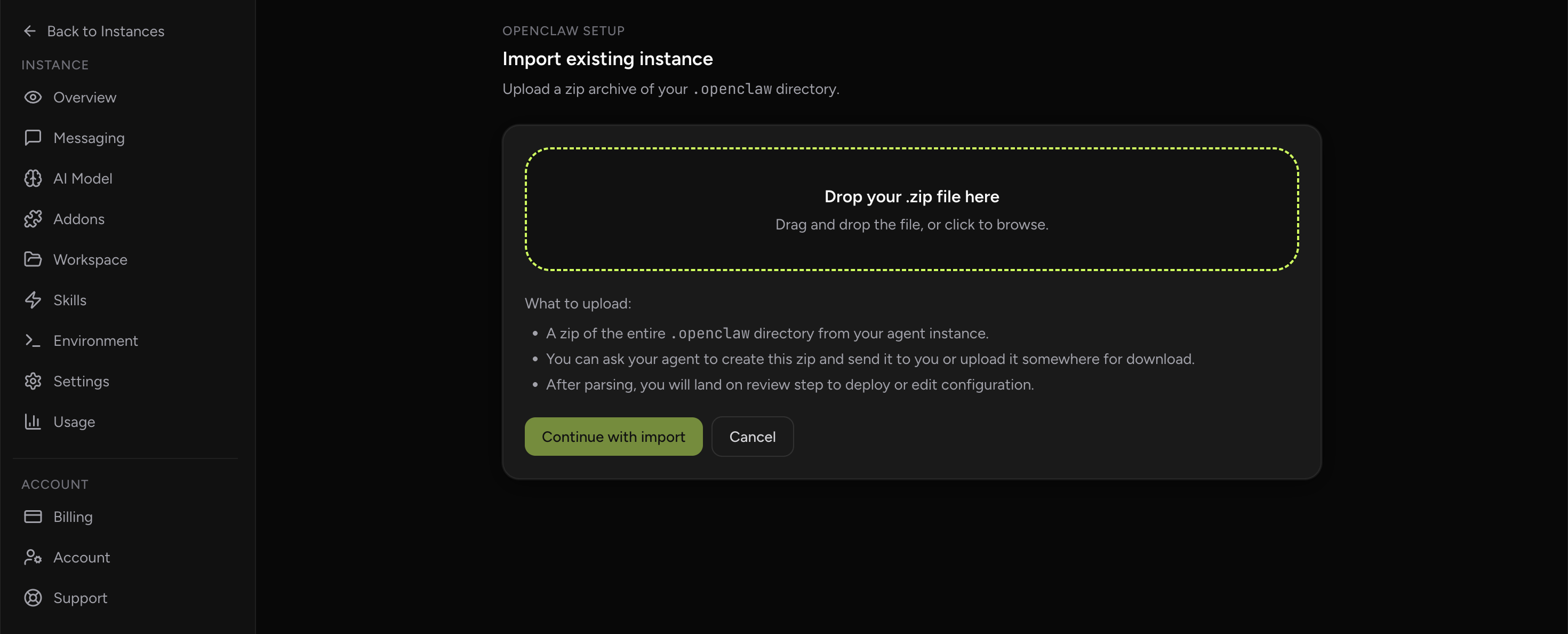
Apply the checklist above and keep self-hosting, or skip the maintenance entirely: run your OpenClaw on managed hosting from $6.90/mo, starting with a 7-day free trial. We handle the stale locks, gateway restarts, version upgrades, and uptime — and you can import your existing instance in a couple of minutes. Cancel anytime.
- Managed hosting handles stale
.jsonl.lockfiles, gateway restarts, and version upgrades for you - Import your existing OpenClaw setup in minutes — keep your channels and configuration
- The optional $199 setup is scoped: no custom development, enterprise/SRE support, or unsupported self-hosting repair
If you would rather compare options first, review OpenClaw cloud hosting or see the best OpenClaw hosting options before deciding.
What not to do
- Do not set
allowedOrigins = ["*"]for production remote access. - Do not assume a hosting provider dashboard button supplies OpenClaw device identity.
- Do not disable device authentication as the first fix.
- Do not mix public HTTP, HTTPS, IP access, localhost, and Tailscale hostnames in the same debug run.
Verification checklist
openclaw gateway statusshows the dashboard URL you intend to use.- The browser URL uses localhost for local access or HTTPS/WSS for remote access.
- The exact browser origin appears in
gateway.controlUi.allowedOriginsfor public non-loopback deployments. openclaw devices listand approval flow handle the first browser/device pairing when required.- Gateway logs no longer show
device identity required,origin not allowed, or repeated unauthorized loops.
If your team is moving from a laptop install to a VPS, Lobsterland gives you a managed OpenClaw route with HTTPS, dashboard wiring, restart-safe config, and stable remote access expectations.
Related Lobsterland guides
- Fix OpenClaw pairing required loops
- Fix "origin not allowed" in OpenClaw Control UI
- Control UI allowed origins startup fix
- Managed remote access without public IP risk
- No-install OpenClaw alternatives
- OpenClaw cloud hosting