OpenClaw Skill Workshop vs ClawHub: The Safe Way to Grow Team Skills
Skills are powerful because they turn one good workflow into repeatable agent behavior. The hard part for teams is not writing another instruction file. It is lifecycle governance: discovery, review, install policy, support files, rollback, quarantine, and who is allowed to approve changes.
Use ClawHub when you want a known external skill package with clear provenance. Use Skill Workshop when your team is creating or changing internal operating procedures and needs a reviewable proposal before the behavior becomes live. Use a plain workspace note when the idea is still too unstable, too secret-heavy, or too one-off to deserve promotion into a reusable skill.
Quick definitions
- ClawHub: the install and publish path for external OpenClaw skill packages.
- Local or workspace skills: instructions, scripts, and support files owned by your repo or workspace.
- Skill Workshop: a proposal flow where agents can create or revise skills for human review before apply, reject, or quarantine.
Why this question is hot in 2026
The OpenClaw community has been asking for a safer skill lifecycle, not just more folders. Feature request #34235 called for skill creation and debugging from chat, with a file tree, online editor, and safer lifecycle because direct filesystem editing was too manual. Issue #50090 captures the other side of the problem: skill discovery and ClawHub friction when installed skills do not appear where users expect.
The June release train responded with governance primitives. The 2026.6.1 beta release notes mention Skill Workshop Control UI flow, proposal lists, searchable file previews, review states, apply/reject/quarantine, and support-file safeguards. Later June notes discuss operator install policy for plugins and skills, GitHub-backed ClawHub install handling, and more durable auth/plugin install state. Treat those as beta signals and governance direction, not a guarantee that every team can skip its own operating model.
When to use ClawHub
ClawHub is the right default for commodity integrations and community-maintained tooling when you can verify the source, understand the package, and accept its update model. It works best when the skill is not highly customized to your company's private process.
- Good fit: common integrations, reusable tool workflows, and skills with clear provenance.
- Review requirement: confirm source, owner, support files, install policy, and rollback notes before use.
- Risk: discovery drift or unclear trust boundaries can make teams think a skill is active when it is not.
When to use Skill Workshop
Skill Workshop is for internal repeatability. Use it when an agent learns a procedure, a team lead wants to formalize a runbook, or a workflow needs review before it becomes default behavior. The value is not just authoring. The value is a visible proposal, review states, previewable files, and a controlled apply path.
- Good fit: repeated internal workflows, domain-specific processes, and agent-learned procedures.
- Review requirement: assign a proposal owner, reviewer, test input, evidence, rollback path, and quarantine trigger.
- Risk: approving vague instructions can turn one local habit into repeated team behavior too early.
When to avoid both
Not every useful note should become a skill. Keep a simple workspace note when the workflow is a one-off runbook, an unstable API experiment, a procedure full of secrets, or something nobody has repeated successfully yet. Promotion should happen after the team knows what should be repeated and what should remain manual.
Decision model for team skills
| Question | Prefer | Why |
|---|---|---|
| Is this a trusted external package? | ClawHub | Package provenance, install policy, and updates are the main concerns. |
| Is this a company-specific procedure? | Skill Workshop | The team needs review, evidence, and a controlled apply path. |
| Is this still experimental? | Workspace note | Do not create durable agent behavior before the workflow is stable. |
| Did a skill fail to load or appear? | Troubleshooting first | Confirm paths, installed state, session refresh, and support files before rewriting the skill. |
A safer operating model
- Name an owner. Every durable skill needs someone accountable for intent, updates, and rollback.
- Capture evidence. Include sample prompts, expected behavior, test results, and support-file boundaries.
- Review before apply. A proposal should be read before it changes live agent behavior.
- Define quarantine conditions. Know when to disable a skill because it is unsafe, stale, or too broad.
- Verify discovery. After install or apply, confirm the skill appears where agents and operators actually expect it.
Where Lobsterland fits
Hosted skill management should be paired with runtime isolation, credential controls, and a reviewable dashboard. That is the practical difference between a team process and direct filesystem edits on a shared machine. Lobsterland gives teams a managed runtime, a dashboard path for skill management, and fewer local-path surprises when agents, skills, browser access, and provider credentials all have to work together.
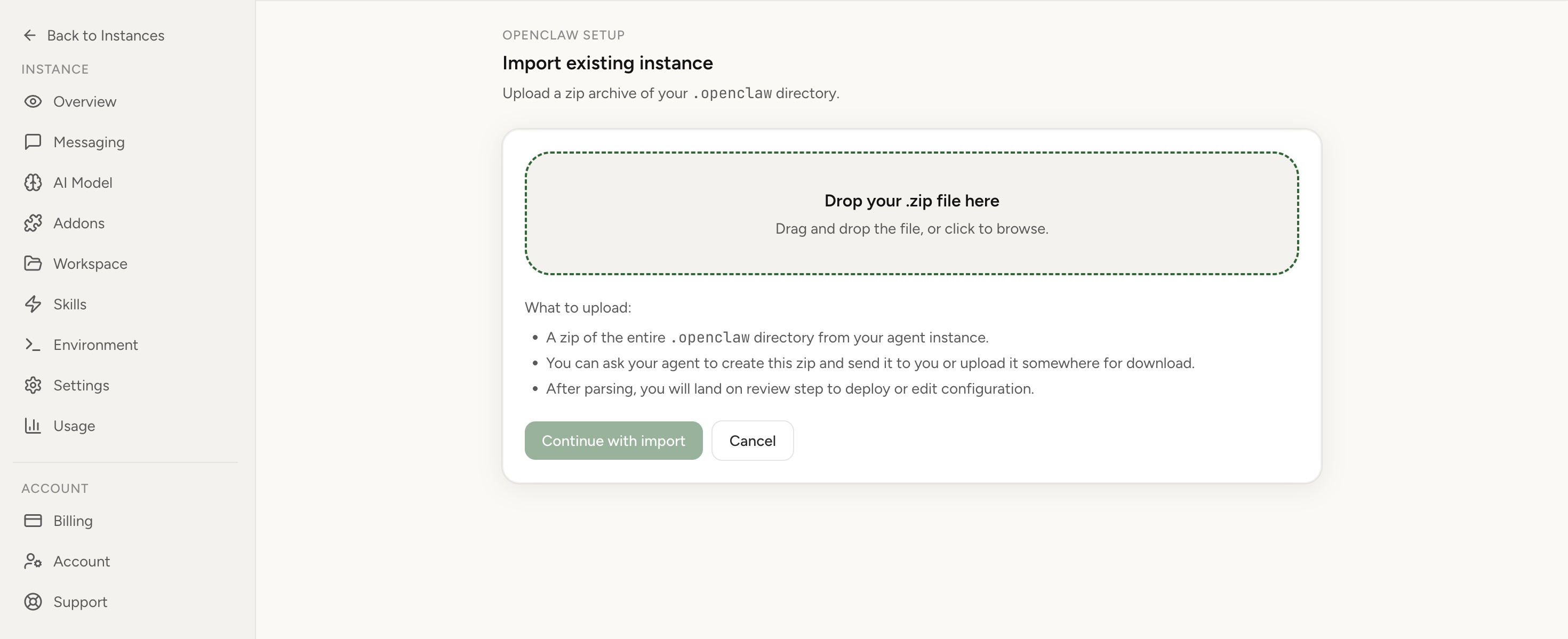
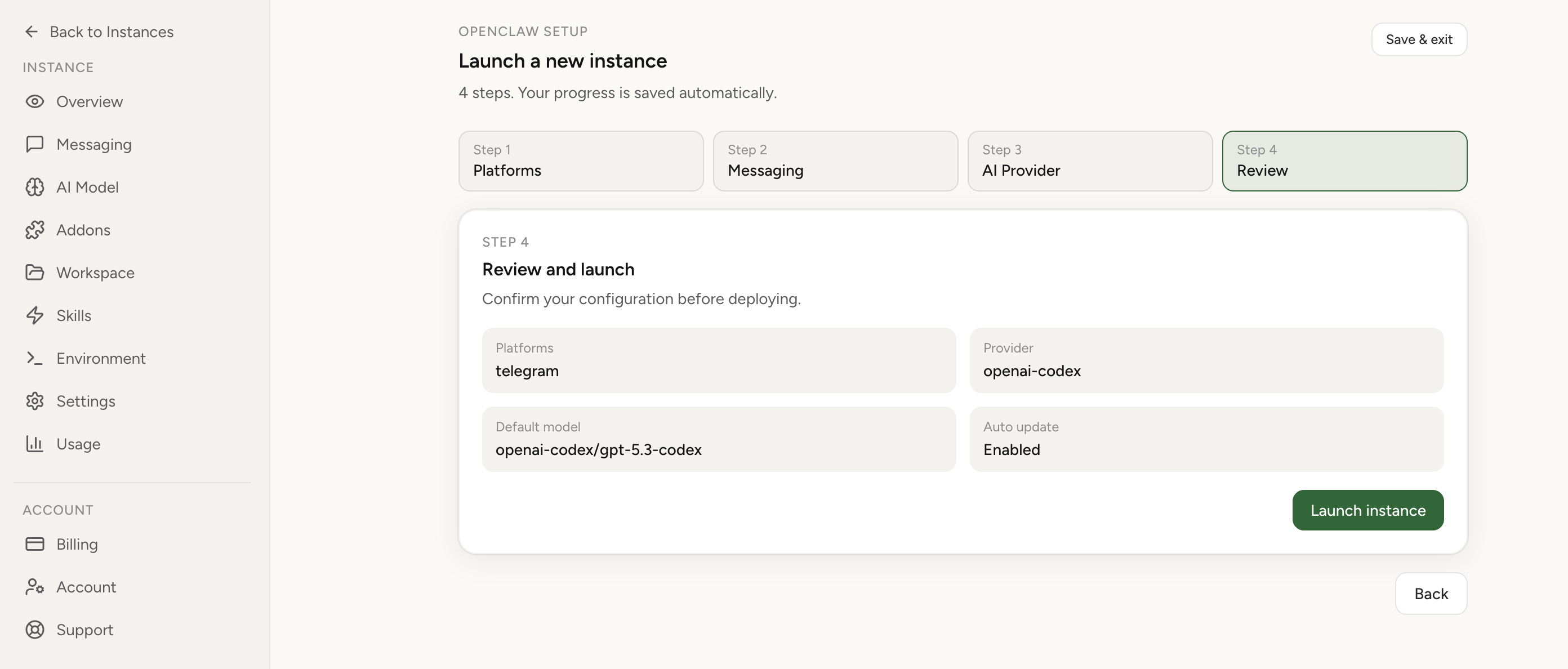
For a rollout checklist, use the hosted Skill Workshop team checklist. For fundamentals, read the OpenClaw skills guide. If tools or MCP integrations are missing in a hosted setup, use the hosted MCP tools troubleshooting guide. To evaluate the managed path, start with skills management and managed OpenClaw hosting. If you are setting up a new team runtime, use OpenClaw Setup; if you already have an instance, open the Lobsterland dashboard and import it into a managed workflow.
Sources
- OpenClaw GitHub issue #34235: skill creation and debugging from chat
- OpenClaw GitHub issue #50090: skill discovery and ClawHub friction
- OpenClaw GitHub releases: June 2026 Skill Workshop and ClawHub updates
Stop babysitting your OpenClaw box
Fix it once — or stop fixing it for good.
Apply the checklist above and keep self-hosting, or skip the maintenance entirely: run your OpenClaw on managed hosting from $6.90/mo, starting with a 7-day free trial. We handle the stale locks, gateway restarts, version upgrades, and uptime — and you can import your existing instance in a couple of minutes. Cancel anytime.
- Managed hosting handles stale
.jsonl.lockfiles, gateway restarts, and version upgrades for you - Import your existing OpenClaw setup in minutes — keep your channels and configuration
- The optional $199 setup is scoped: no custom development, enterprise/SRE support, or unsupported self-hosting repair
If you would rather compare options first, review OpenClaw cloud hosting or see the best OpenClaw hosting options before deciding.