OpenClaw Telegram inline buttons stopped working after 2026.6.9
If Telegram messages still arrive but inline buttons no longer trigger actions after an OpenClaw update, do not start by rebuilding the bot or rolling back blindly. Treat it as a channel callback regression until you prove which layer changed: OpenClaw version, Gateway runtime, Telegram plugin handling, bot scope, callback routing, or long-message formatting.
- OpenClaw issue #96098 is an open June 23, 2026 report titled "Telegram inline buttons stopped working after update to 2026.6.9".
- A related open issue, #95878, reports a Telegram long-message auto-split regression in 2026.6.9. That is not the same bug, but it is relevant if button flows depend on long formatted replies.
- This guide uses those reports as triage evidence, not proof of a universal root cause. Verify your own version, logs, and callback behavior before deciding whether to roll back.
Quick diagnosis: button failure or Telegram delivery failure?
Inline buttons and normal messages are separate enough that one can fail while the other still looks healthy. Your first goal is to split the incident into two facts: whether OpenClaw receives and answers normal Telegram text, and whether callback queries from inline buttons reach the Gateway and map to the expected action.
- Send one plain text message. Confirm the agent receives it and returns a simple reply.
- Trigger one known inline button. Use a button that worked before the update, not a new custom flow.
- Compare timestamps. Check whether the callback arrives in Gateway logs at the exact time you tap the button.
- Check the action path. If the callback arrives but nothing happens, focus on routing, payload parsing, or action execution.
- Check outbound response formatting. If the action runs but no response appears, inspect sendMessage/editMessage or long-message splitting failures.
Version and config checks before rollback
A rollback is reasonable only after you know what you are rolling back from and what state you need to preserve. Record the current OpenClaw version, Gateway version, Telegram plugin or channel configuration, Node version, host OS/container image, and the exact time the issue first appeared.
# Capture enough context for a useful upstream or rollback note
openclaw --version
node --version
openclaw status
openclaw logs --tail 300 | grep -Ei 'telegram|callback|button|inline|sendMessage|editMessage|error'
If your deployment uses Docker, Kubernetes, systemd, launchd, or a managed Gateway wrapper, capture that layer too. Many channel incidents are caused by runtime drift around the Gateway, not by the Telegram bot token itself.
Safe checks to run first
1. Restart the Gateway once, then stop restarting
One controlled restart can clear stale channel state. Repeated restarts usually destroy evidence and make callback timing harder to read. After one restart, run the same text and button tests again and save the logs.
2. Confirm the bot token and chat scope still match
If messages arrive, the bot token is probably not entirely wrong. Still check whether the failing buttons live in a group, topic, direct message, or edited message path that has different permissions or routing rules.
3. Test a minimal inline button
Use the simplest possible button callback: one short label, one short callback payload, and one plain-text acknowledgement. If that works, your failure may be in a specific action or long formatted response rather than in callback handling itself.
4. Separate callbacks from long-message splitting
The related 2026.6.9 long-message report matters because button flows often produce formatted multi-part replies. If callbacks run but the visible answer truncates, focus on response splitting, Markdown/HTML formatting, and outbound provider limits.
When rollback is reasonable
Roll back only when you have a known-good version and a preserved workspace/config snapshot. The minimum rollback note should include the failing version, known-good version, bot/channel scope, reproduction steps, and whether text replies, button callbacks, and long replies were tested separately.
- Back up the workspace, channel config, and Gateway state before changing versions.
- Record the exact version that last handled inline buttons correctly.
- Check the upstream issue again before rollback in case a fix or workaround has already landed.
- After rollback, rerun one text reply, one button callback, and one longer response flow.
What not to do
- Do not recreate the Telegram bot before confirming callback logs. You may turn one regression into a channel migration problem.
- Do not change model provider, Telegram token, Gateway version, and plugin config in the same window.
- Do not declare Telegram healthy because plain text works. Buttons need their own callback test.
- Do not assume every 2026.6.9 Telegram symptom is the same bug. Button callbacks and long-message splitting can fail independently.
Managed-hosting angle
Lobsterland cannot make upstream regressions disappear, but managed hosting reduces the amount of channel babysitting around them. Hosted instances keep runtime state isolated, preserve workspace context, expose dashboard-level intervention paths, and make it easier to compare a broken self-hosted channel with a clean managed baseline.
That matters when Telegram is your production interface. You want a controlled place to restart the Gateway, inspect logs, preserve config, and recover without mixing unrelated provider or host changes into the incident.
Stop babysitting your OpenClaw box
Fix it once — or stop fixing it for good.
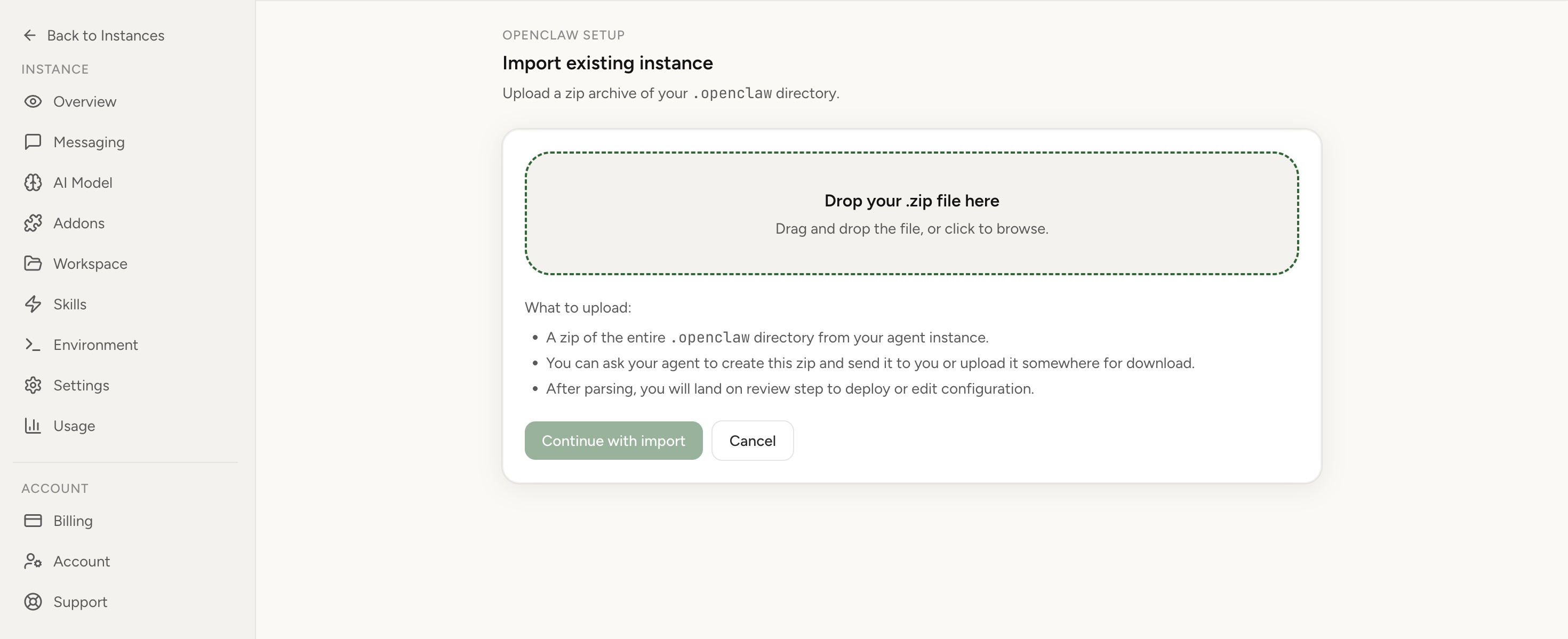
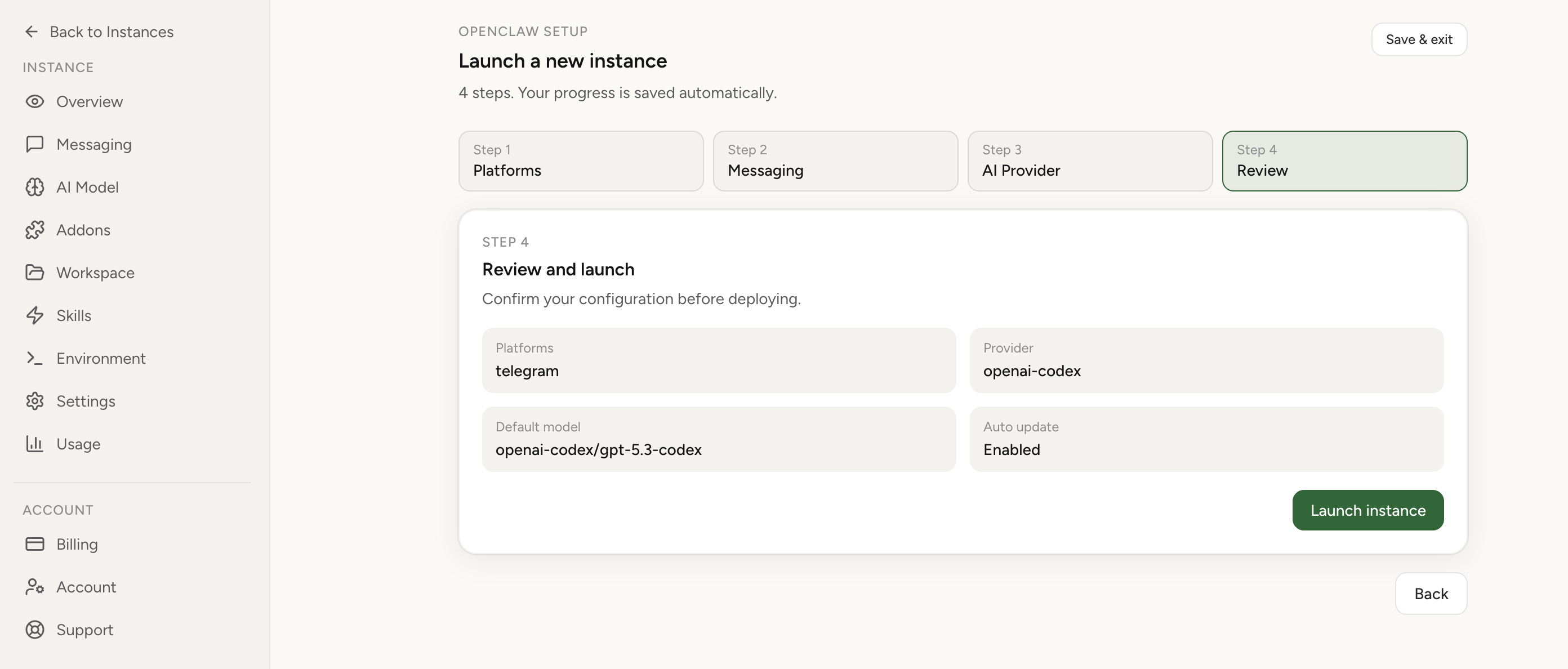
Apply the checklist above and keep self-hosting, or skip the maintenance entirely: run your OpenClaw on managed hosting from $6.90/mo, starting with a 7-day free trial. We handle the stale locks, gateway restarts, version upgrades, and uptime — and you can import your existing instance in a couple of minutes. Cancel anytime.
- Managed hosting handles stale
.jsonl.lockfiles, gateway restarts, and version upgrades for you - Import your existing OpenClaw setup in minutes — keep your channels and configuration
- The optional $199 setup is scoped: no custom development, enterprise/SRE support, or unsupported self-hosting repair
If you would rather compare options first, review OpenClaw cloud hosting or see the best OpenClaw hosting options before deciding.
Related Lobsterland guides
- Telegram provider/plugin stability baseline
- Telegram watchdog restarts under multi-agent load
- Telegram typing but no reply fix
- Always-on Telegram and Slack agent hosting
- Managed OpenClaw hosting