OpenClaw OpenRouter OAuth onboarding after 2026.6.6
Fast answer: OpenClaw's 2026.6.6 release notes point to stronger OpenRouter onboarding, but production teams should still verify provider auth, model references, channel behavior, scheduled jobs, and usage visibility before moving important workflows onto the route.
The OpenClaw releases page lists OpenRouter OAuth onboarding as part of the 2026.6.6 release stream. OpenRouter's own OpenClaw integration documentation also describes OpenClaw-specific setup, model format, auth profiles, and usage monitoring. That is enough signal to revisit your setup, but it is not a reason to skip an end-to-end acceptance test.
OAuth or API key?
Treat OAuth and API keys as two operating models, not as a universal good/bad choice. Hosted OpenClaw users still own the provider account decision; Lobsterland's job is to keep the runtime, workspace, browser, cron, and visibility layers stable around that credential.
| Path | Use it when | Watch out for |
|---|---|---|
| OAuth | You want the guided account-owned flow and less manual secret handling. | Confirm the auth profile is visible to the runtime that actually serves chat, channels, and cron. |
| API key | You need explicit provisioning, rotation, or team-controlled secret management. | Do not paste keys into prompts or comments. Store them in the environment or provider-secret surface your deployment supports. |
Hosted setup checklist
- Confirm the OpenRouter auth profile: verify OAuth or API-key auth before changing production workflows.
- Pick the exact model route: use the provider's documented model format and avoid stale aliases in old jobs.
- Run one boring prompt first: test a short built-in chat prompt before tool-heavy tasks.
- Test every surface you use: built-in chat, Telegram, Slack, and other channels can fail differently.
- Check cron separately: scheduled jobs may still be pinned to an old provider or model reference.
- Review cost attribution: check OpenRouter usage after the first real run so surprises show up early.
Fusion caveats
OpenClaw's OpenRouter documentation discusses Fusion as a router option, but teams should treat it as a deliberate-work path rather than the default for latency-sensitive chat. If the user is waiting in Telegram or built-in chat, start with a direct model route. Fusion-style routing is more useful when slower model selection is acceptable and the workflow benefits from provider choice.
- Do not use Fusion as a blanket default for every channel.
- Do not force unsupported tool-choice behavior just because another provider accepts it.
- Keep one direct-model fallback that you know completes ordinary chat turns.
Common failure modes
- Missing auth profile: onboarding looked complete, but the serving runtime cannot see the provider credential.
- Wrong model reference: an old route or missing provider prefix sends work to the wrong place.
- Provider 401 or 403: the key, OAuth session, account permission, or spending limit is not valid for the requested route.
- Stale cron config: chat works, but scheduled jobs still use the previous model.
- False confidence from a probe: a model status check passes, but the real channel response still fails.
Where managed hosting helps
Lobsterland does not remove your responsibility for the OpenRouter account or credential choice. It removes a different class of fragility: sleeping laptops, drifted daemon state, private-network access, hosted browser availability, cron visibility, and day-two runtime maintenance. That is the useful split: bring the provider account you control, then run it inside a hosted OpenClaw instance that is easier to observe and recover.
Useful next steps
- OpenRouter setup tutorial
- Lobsterland environment management
- Cron job management
- OpenRouter empty replies fix
- OpenClaw API cost control
- Self-hosted vs managed OpenClaw
- Managed OpenClaw hosting
Sources
- OpenClaw releases
- OpenRouter OpenClaw integration guide
- OpenClaw OpenRouter provider docs
- OpenClaw onboarding overview
- OpenClaw on OpenRouter
Stop babysitting your OpenClaw box
Fix it once — or stop fixing it for good.
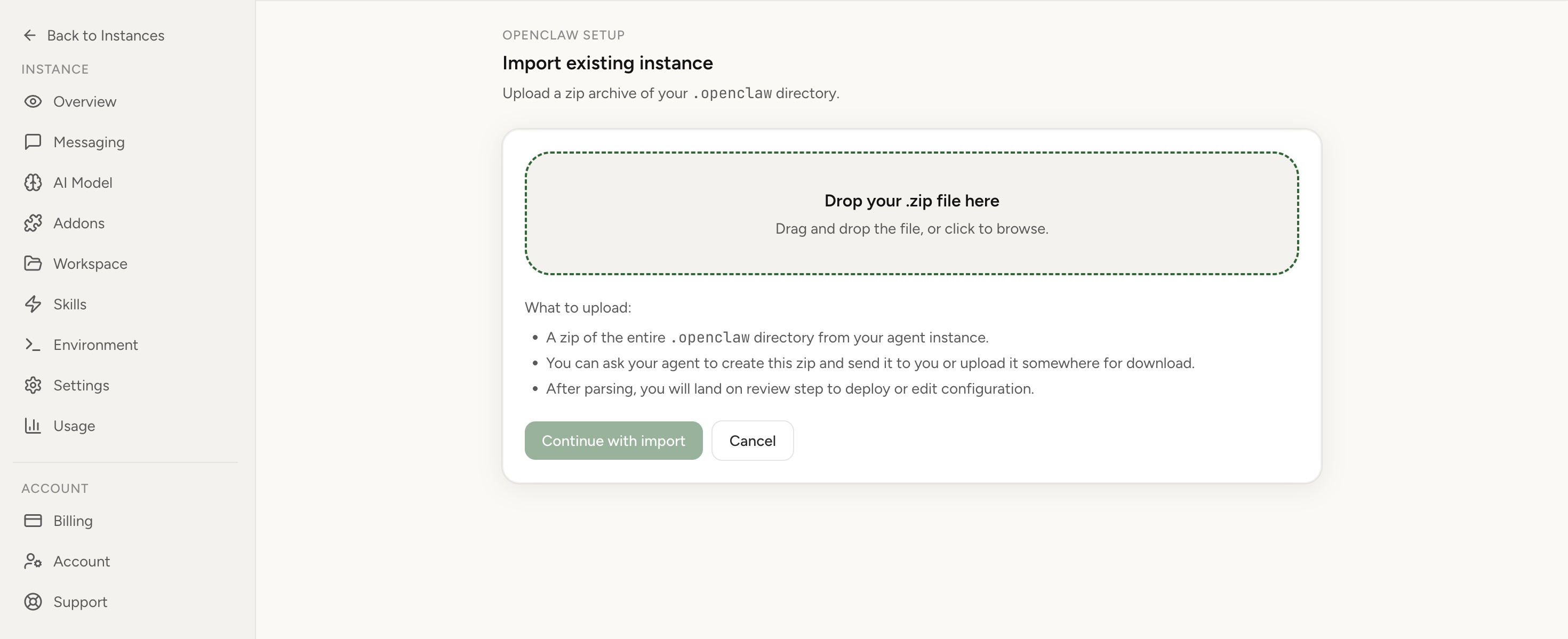
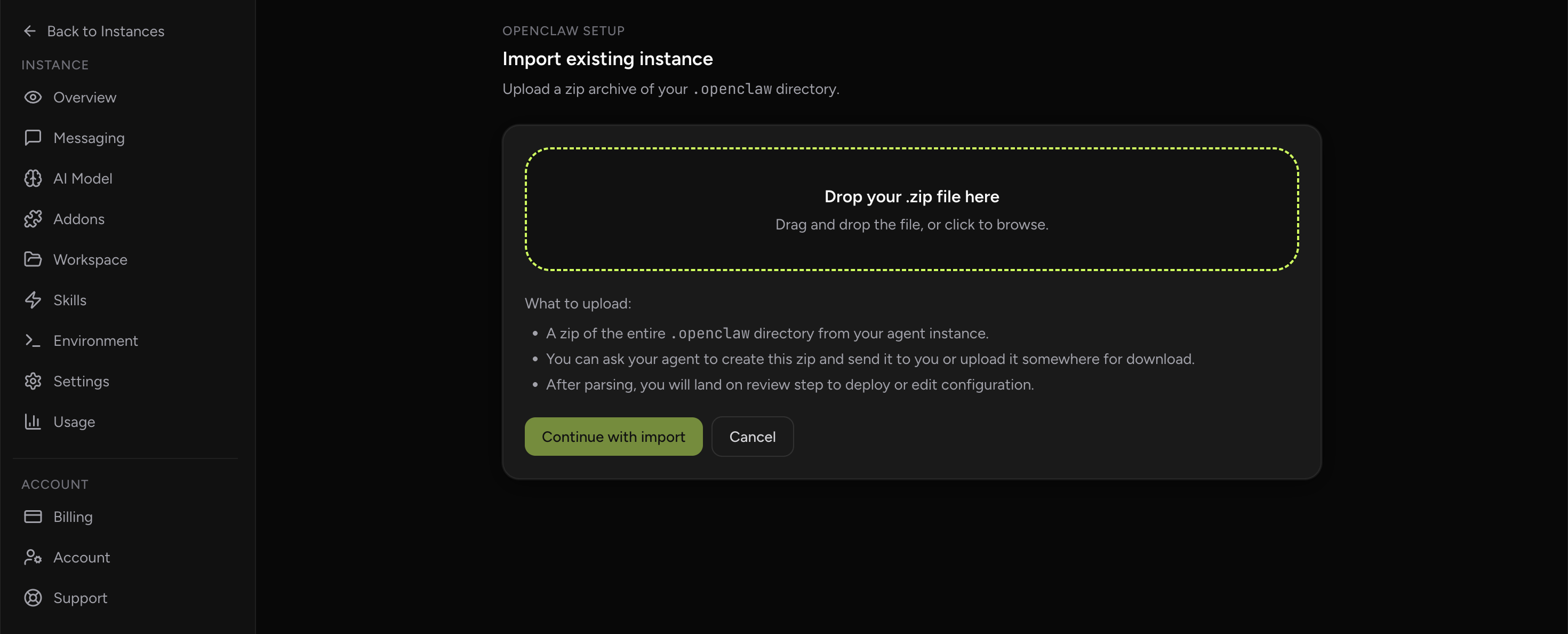
Apply the checklist above and keep self-hosting, or skip the maintenance entirely: run your OpenClaw on managed hosting from $6.90/mo, starting with a 7-day free trial. We handle the stale locks, gateway restarts, version upgrades, and uptime — and you can import your existing instance in a couple of minutes. Cancel anytime.
- Managed hosting handles stale
.jsonl.lockfiles, gateway restarts, and version upgrades for you - Import your existing OpenClaw setup in minutes — keep your channels and configuration
- The optional $199 setup is scoped: no custom development, enterprise/SRE support, or unsupported self-hosting repair
If you would rather compare options first, review OpenClaw cloud hosting or see the best OpenClaw hosting options before deciding.