Resume AI Agent Sessions Across Devices with Always-On Hosting
Quick verdict: if you want to start an AI agent task on a laptop, check it from a phone, and resume it later from a browser, do not make the laptop the runtime. Use an always-on hosted workspace with persistent storage, authenticated channels, and a clear handoff model for long-running sessions.
Cross-device continuity fails when the agent process, browser profile, workspace files, and conversation state are tied to whichever machine happened to start the task. Always-on hosting moves the active runtime into a stable environment so your devices become clients instead of fragile servers.
What has to persist
| Layer | Why it matters | Hosting requirement |
|---|---|---|
| Conversation and task history | The agent needs prior decisions, tool outputs, and unresolved work items. | Durable session storage, searchable history, and safe recovery after restarts. |
| Workspace files | Code edits, notes, downloads, and generated artifacts must remain available. | Persistent volume or managed workspace that is not deleted when a browser tab closes. |
| Browser state | Many agent tasks depend on logged-in web sessions or page state. | Hosted browser/profile support with authenticated dashboard access. |
| Credentials | Provider keys and channel tokens must not travel through every device. | Encrypted credentials, scoped access, and no raw secret copy-paste between devices. |
| Channels | Phone, chat, dashboard, and browser access need to route to the same agent instance. | Stable gateway URLs, identity checks, and clear channel-to-agent routing. |
Device-by-device workflow
- Laptop: start complex tasks where typing, code review, and file inspection are easiest.
- Phone: send short approvals, status checks, and course corrections through a connected chat channel.
- Browser dashboard: inspect logs, open the hosted browser, check usage, and recover sessions without SSH.
- Second machine: resume from the same hosted workspace instead of cloning partial context from the first laptop.
Continuity checklist
- Confirm the agent keeps running when your laptop sleeps or disconnects.
- Verify workspace files survive an agent restart and a dashboard refresh.
- Check that phone and browser messages reach the same intended agent, not a new empty session.
- Use a hosted browser when web tasks need continuity; avoid relying on a local tab that only exists on one device.
- Keep provider and channel credentials encrypted in the hosted runtime instead of scattered across personal devices.
- Review usage analytics so unattended loops do not silently burn model budget overnight.
Common failure modes
| Symptom | Likely cause | Fix |
|---|---|---|
| Session disappears when the laptop sleeps | The laptop is hosting the agent process. | Move the runtime to an always-on hosted workspace. |
| Phone commands start a fresh context | The chat channel is mapped to a different agent or session target. | Check channel routing and choose the existing hosted agent. |
| Browser task cannot resume | The browser profile was local or ephemeral. | Use a hosted browser sidecar or re-authenticate through the managed dashboard. |
| Credentials need to be pasted on every device | Secrets are not centralized in the runtime. | Store credentials in the managed environment with scoped access controls. |
Why Lobsterland fits this pattern
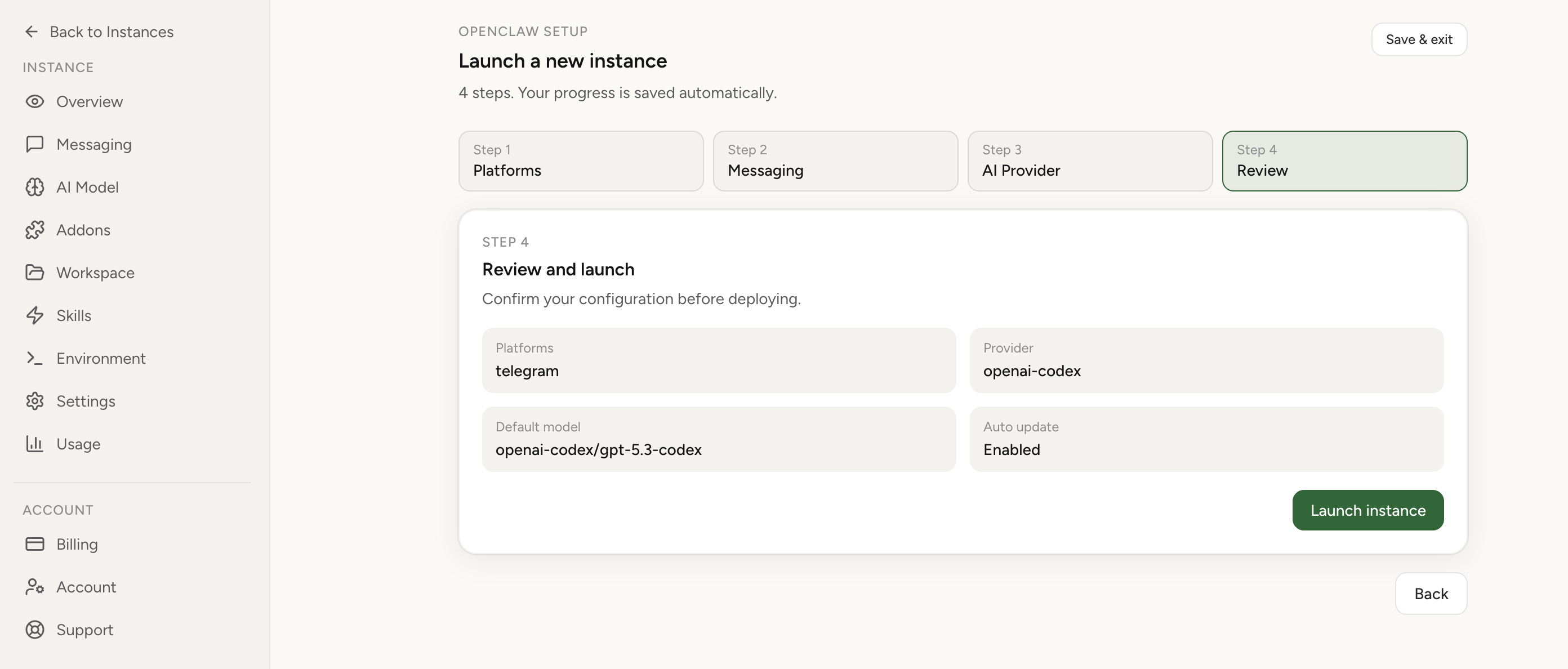
Lobsterland is built around hosted OpenClaw agents that keep running after a personal device disconnects. The platform combines isolated runtimes, persistent workspace state, encrypted credentials, built-in chat, optional channel integrations, hosted browser access, allowlist controls, and usage analytics. That makes it a practical base for teams that want agent continuity without operating their own always-on server.
Useful Lobsterland routes
- Always-on AI agent access through Telegram and Slack
- OpenClaw cloud hosting
- Hosted AI agent workspace
- OpenClaw with browser workflows
- Hosted Browser feature page
- How to keep OpenClaw online when a laptop sleeps
- Run multiple OpenClaw sessions concurrently
- Hosted browser setup announcement
- Lobsterland pricing
Sources
- Anthropic Claude Code feature request: session mirroring and remote monitoring
- OpenAI: introducing ChatGPT Agent
- Anthropic docs: computer use tool
- Browser Use project
- Lobsterland OpenClaw cloud hosting
- Lobsterland hosted AI agent workspace
- Hosted browser in Lobsterland
Stop babysitting your OpenClaw box
Fix it once — or stop fixing it for good.
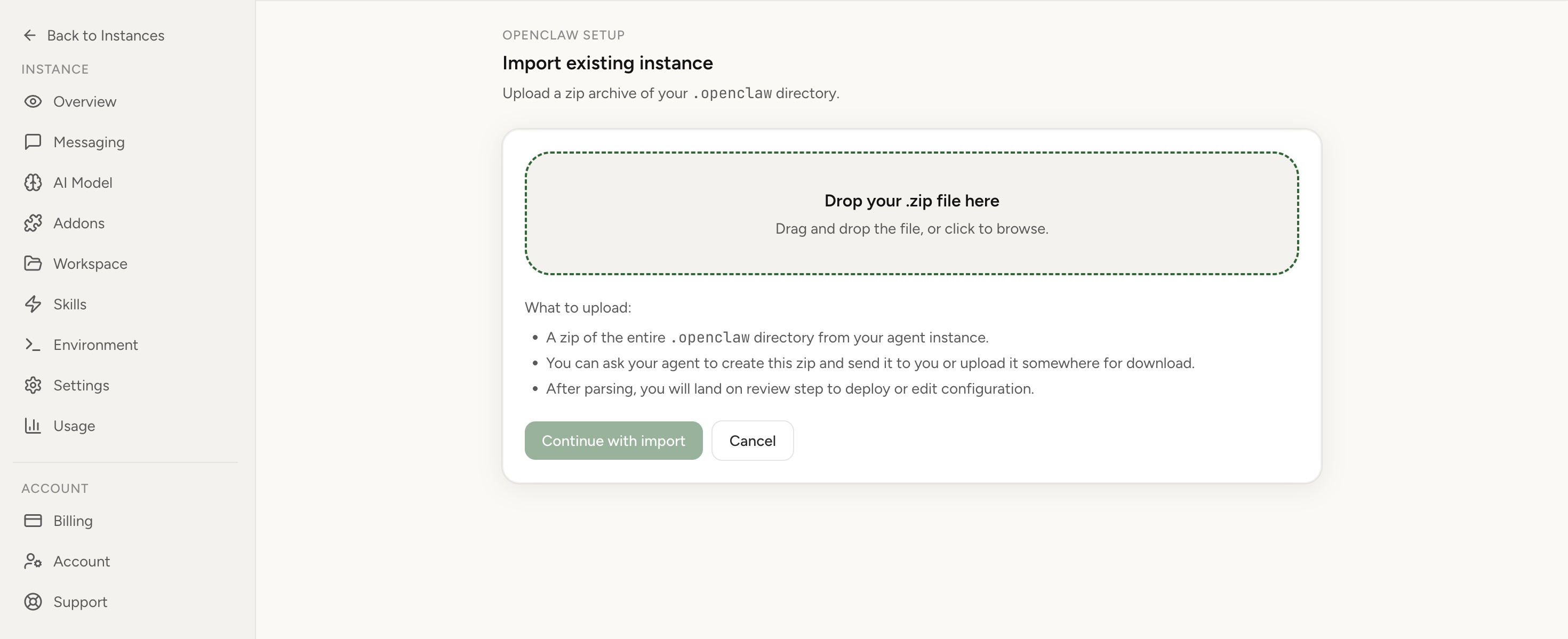
Apply the checklist above and keep self-hosting, or skip the maintenance entirely: run your OpenClaw on managed hosting from $6.90/mo, starting with a 7-day free trial. We handle the stale locks, gateway restarts, version upgrades, and uptime — and you can import your existing instance in a couple of minutes. Cancel anytime.
- Managed hosting handles stale
.jsonl.lockfiles, gateway restarts, and version upgrades for you - Import your existing OpenClaw setup in minutes — keep your channels and configuration
- The optional $199 setup is scoped: no custom development, enterprise/SRE support, or unsupported self-hosting repair
If you would rather compare options first, review OpenClaw cloud hosting or see the best OpenClaw hosting options before deciding.