OpenClaw 2026.6.6 Security Upgrade Checklist for Hosted Teams
Quick verdict: treat OpenClaw 2026.6.6 as a security-boundary release, not a cosmetic update. Hosted teams should stage it, test every connected channel and tool surface, then roll forward only when the regression matrix is clean.
The public OpenClaw release listing describes 2026.6.6-beta.1 as tightening boundaries across transcripts, sandbox binds, host environment inheritance, MCP stdio, Codex HTTP access, native search policy, elevated sender checks, loopback tools, Discord moderation, Teams group actions, and exec approval behavior. Those surfaces are exactly where hosted teams can accidentally mix secrets, channels, browser state, and approvals.
Before you upgrade
- Snapshot the running instance: preserve workspace state, skills, memory files, cron config, and the last known-good OpenClaw version.
- Export provider settings safely: record provider names, model defaults, OAuth routes, and SecretRef keys without copying raw tokens into notes.
- List every delivery channel: include built-in chat, Telegram, Slack, Discord, Teams, WhatsApp, and any gateway webhooks.
- Inventory MCP and loopback tools: note which tools use stdio, local ports, browser profiles, or host-mounted paths.
- Capture approval policy: document exec approvals, elevated senders, timeout expectations, and who can unblock high-risk operations.
- Choose a rollback target: know whether you are pinning a previous image, package version, or managed runtime snapshot.
Hosted-team regression matrix
| Surface | Smoke test | Pass signal |
|---|---|---|
| Channels | Send one low-risk prompt through each business channel. | Final reply arrives in the right thread with no raw tool JSON or cross-channel leak. |
| MCP and tools | Run one read-only MCP task and one allowed local tool task. | Tool discovery works and denied tools fail closed instead of silently bypassing policy. |
| Browser and Codex HTTP | Load a public page, perform a safe fetch/search, and confirm browser state isolation. | Network access follows the configured policy and does not inherit unintended host env. |
| Cron and subagents | Run a harmless scheduled job and a delegated subagent task. | Both complete with expected logs, run ids, and no unexpected credential expansion. |
| Approvals | Trigger one operation that requires approval and one that should time out. | Approval routing, timeout messaging, and return-assignee behavior match policy. |
Decision matrix
- Upgrade now if you rely on the affected security boundaries and can run the full matrix before production traffic resumes.
- Stage first if Discord, Teams, MCP, browser, or Codex HTTP workflows are business-critical but rollback is available.
- Wait if the instance is stable, channel coverage is incomplete, or your team cannot monitor approval and gateway behavior after rollout.
Where managed hosting lowers the risk
Lobsterland’s managed OpenClaw layer is useful because upgrade risk is rarely about the package command alone. Teams need isolated runtimes, controlled environment variables, dashboard logs, hosted browser support, channel visibility, and a rollback-oriented support path. Start with the Lobsterland security model, compare managed vs self-hosted OpenClaw, and keep the prior 2026.6.1 beta checklist nearby as historical context.
Internal runbooks to cross-check
- OpenClaw managed hosting overview
- Remote MCP server security checklist
- Self-hosted security hardening checklist
- Managed OpenClaw hosting
Sources
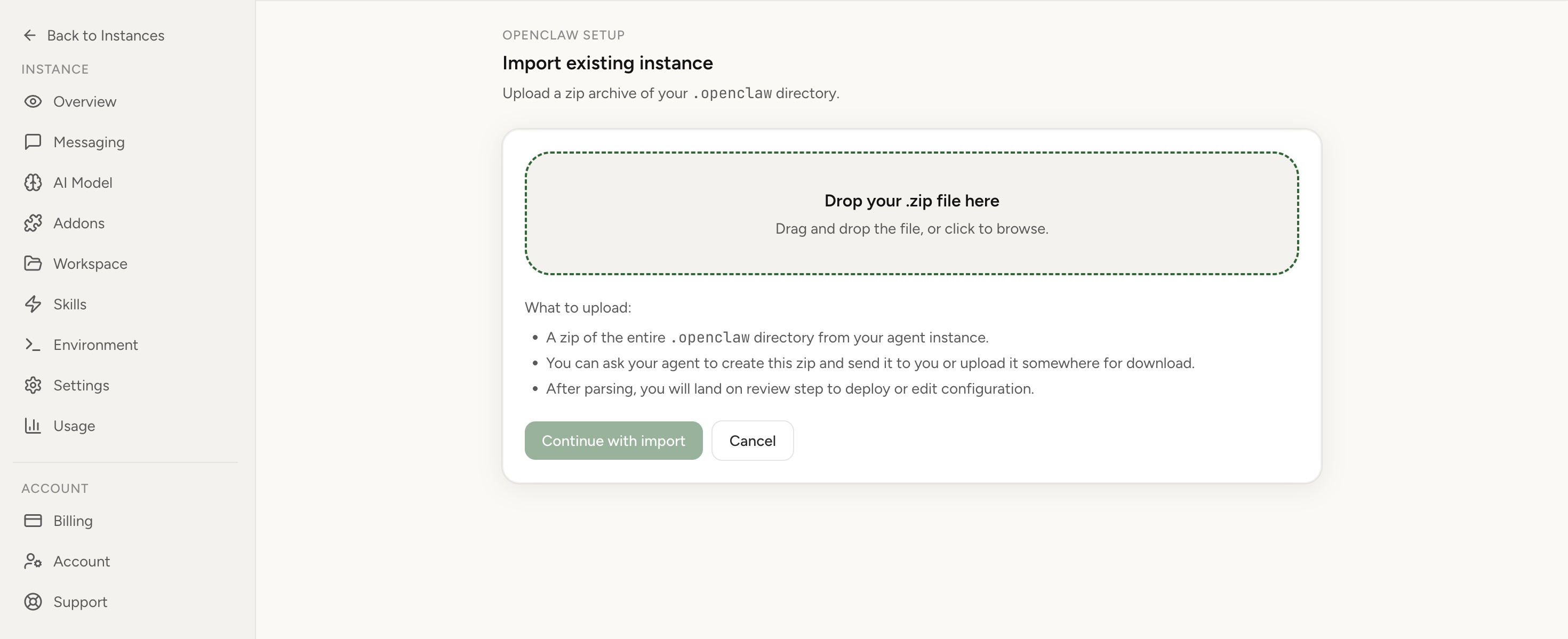
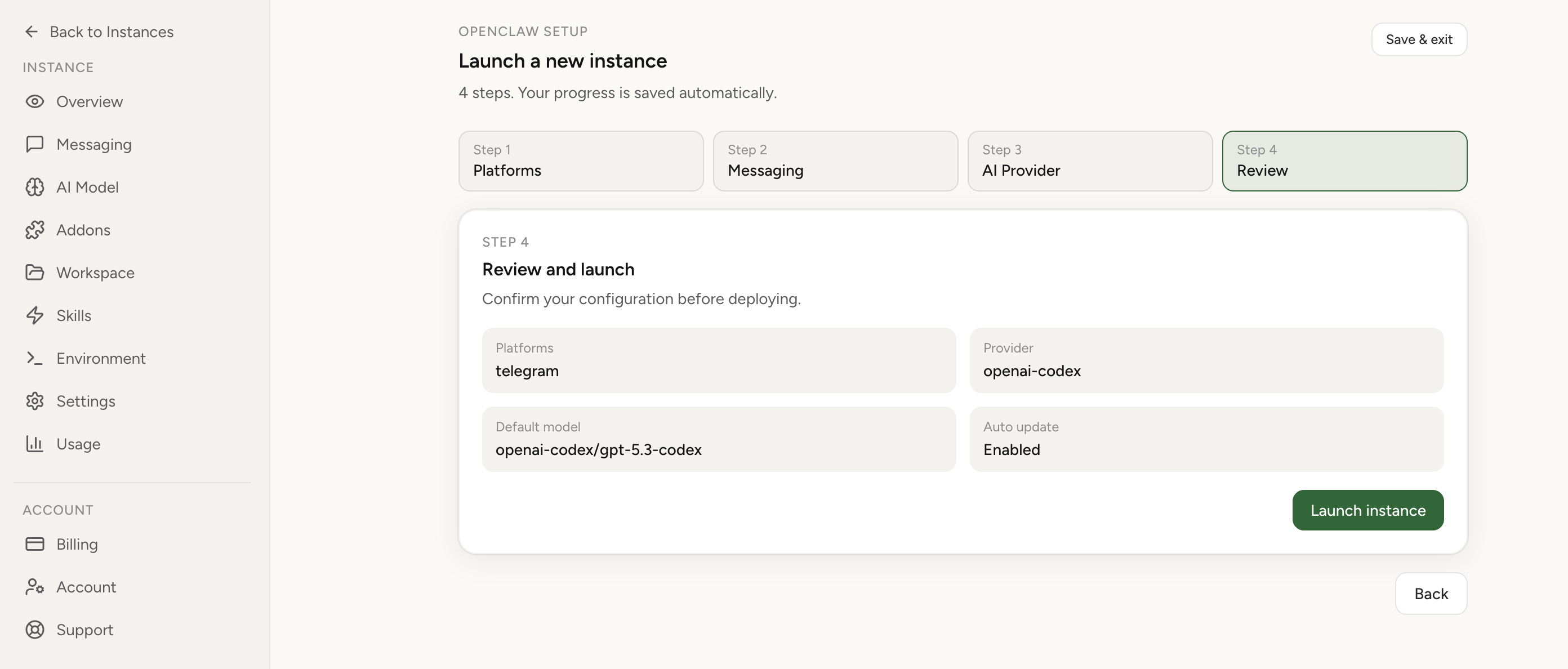
If you still want the self-operated path, start from the OpenClaw setup guide. If you want Lobsterland to operate it, launch or import a managed instance.
Stop babysitting your OpenClaw box
Fix it once — or stop fixing it for good.
Apply the checklist above and keep self-hosting, or skip the maintenance entirely: run your OpenClaw on managed hosting from $6.90/mo, starting with a 7-day free trial. We handle the stale locks, gateway restarts, version upgrades, and uptime — and you can import your existing instance in a couple of minutes. Cancel anytime.
- Managed hosting handles stale
.jsonl.lockfiles, gateway restarts, and version upgrades for you - Import your existing OpenClaw setup in minutes — keep your channels and configuration
- The optional $199 setup is scoped: no custom development, enterprise/SRE support, or unsupported self-hosting repair
If you would rather compare options first, review OpenClaw cloud hosting or see the best OpenClaw hosting options before deciding.