OpenClaw isolated cron run stuck in runtime-plugins: how teams should recover
Problem statement: an isolated or hourly OpenClaw cron run reaches the
runtime-plugins phase and never starts the actual task. That is a different
incident from a bad prompt, a failed tool call, or a model refusal. Start by preserving
runtime evidence, then recover the schedule without guessing which plugin is at fault.
- GitHub issue #87327 describes isolated agent runs stalling in the
runtime-pluginsphase before execution starts. - The report names recurring hourly cron impact on OpenClaw 2026.5.22.
- The issue summary does not name a single guilty plugin, so recovery should avoid destructive plugin guessing.
Recognize the symptom pattern
A runtime-plugin stall usually looks like a run that is created, claimed, or displayed as active, but never reaches useful work. You may not see the first business-action log line. You may not see the expected message delivery. Retrying the same schedule can reproduce the same pre-execution hang.
Do not treat this as proof that the model could not follow instructions. The agent may not have reached the point where it can read those instructions with a complete tool surface.
Quick triage checklist
- Capture the run ID, cron job ID, schedule, OpenClaw version, install method, and exact timestamp.
- Check whether the failure happens only in isolated cron runs or also in direct chat sessions.
- Read recent gateway logs around the
runtime-pluginsmarker instead of only the final UI status. - Compare one simple staging cron with minimal tools against the failing production cron.
- Record plugin, skill, provider, and channel changes since the last known-good scheduled run.
Evidence to collect before restarting
- Runtime markers: the last log line before the stall and the first missing expected phase.
- Plugin inventory: enabled plugins, recently updated skills, and provider/auth changes.
- Scheduler state: whether the next run advances while the current run remains stuck.
- Resource state: memory, CPU, disk, and process restart history around the scheduled time.
- Delivery state: whether Telegram, Slack, webhook, or email output was attempted or never reached.
Safe restart and retry path
Start with the least destructive action that can restore scheduled work. Disable only the affected
cron job if it is piling up duplicate work. Restart the OpenClaw gateway cleanly, then run a small
staging cron that exercises the same provider and one harmless tool. If the staging run clears
runtime-plugins, re-enable the production job with extra logging.
If the simple staging cron also stalls, treat this as runtime/bootstrap instability. Pin the current
version, avoid broad doctor --fix changes until you have a snapshot, and collect a compact
upstream report with the evidence above.
Prevention for scheduled agents
- Use staging crons: test provider, channel, and tool surfaces before changing production schedules.
- Keep plugin changes explicit: record what changed and when, especially before hourly jobs.
- Watch pre-execution phases: alert on runs stuck before first useful task output.
- Separate critical schedules: do not mix business-critical cron work with experimental plugin installs.
- Prefer recoverable changes: snapshot config and workspace state before upgrades or bulk repairs.
Where Lobsterland fits
Cron-heavy OpenClaw work becomes operational infrastructure once it touches customer reports, lead sourcing, billing, monitoring, or executive workflows. Lobsterland gives teams a managed environment for OpenClaw cron automation with hosted runtime ownership, dashboard-visible scheduling, and a clearer recovery path than a forgotten VPS or laptop process.
Review OpenClaw cron automation hosting, the cron job management feature, and managed OpenClaw hosting. If your immediate symptom is a manual run timeout, also read the cron run timeout guide.
Sources
Stop babysitting your OpenClaw box
Fix it once — or stop fixing it for good.
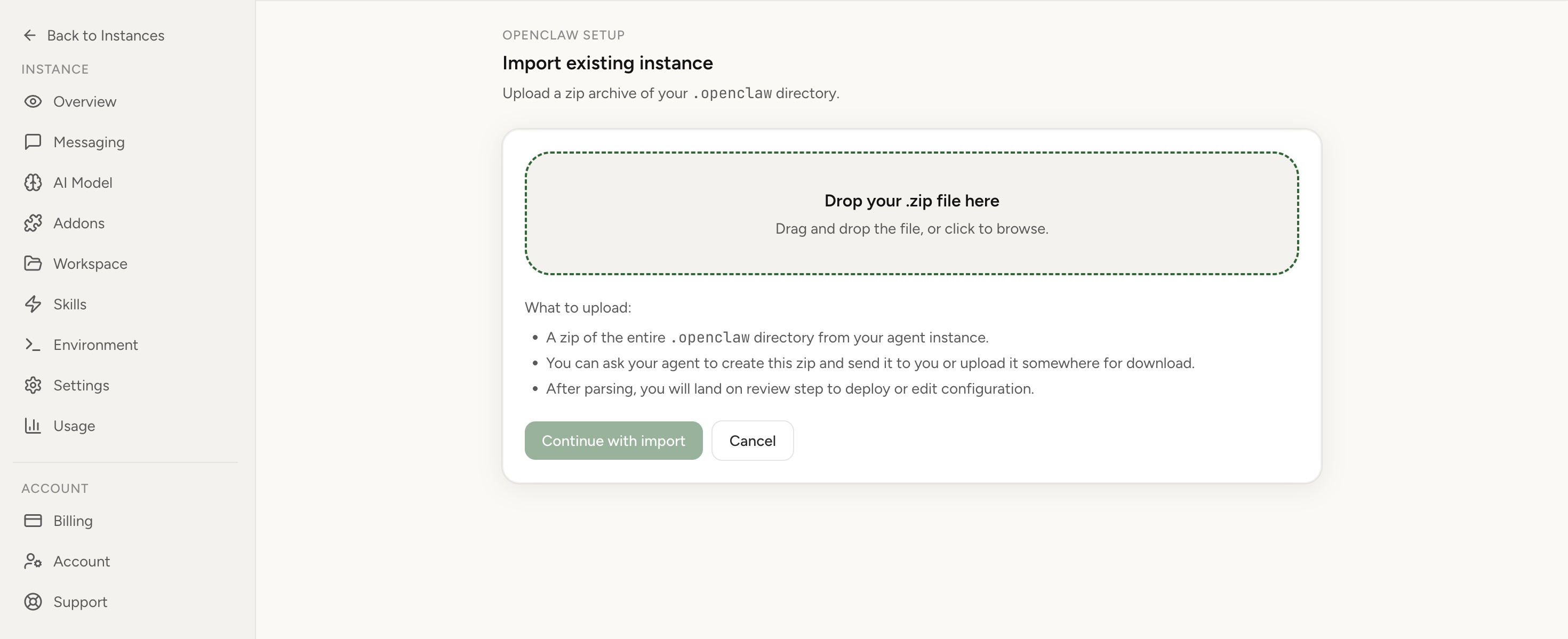
Apply the checklist above and keep self-hosting, or skip the maintenance entirely: run your OpenClaw on managed hosting from $6.90/mo, starting with a 7-day free trial. We handle the stale locks, gateway restarts, version upgrades, and uptime — and you can import your existing instance in a couple of minutes. Cancel anytime.
- Managed hosting handles stale
.jsonl.lockfiles, gateway restarts, and version upgrades for you - Import your existing OpenClaw setup in minutes — keep your channels and configuration
- The optional $199 setup is scoped: no custom development, enterprise/SRE support, or unsupported self-hosting repair
If you would rather compare options first, review OpenClaw cloud hosting or see the best OpenClaw hosting options before deciding.