OpenClaw 2026.5.18 upgrade regression checklist for cron, chat, and node approvals
Problem statement: after a fresh OpenClaw upgrade, the failures that hurt most are often not obvious crashes. They are cron jobs that look queued but never run, Telegram or Slack conversations that receive messages but do not answer, WhatsApp replies that disappear, node approvals that do not resolve, and credentials that look present but fail at runtime. Use this checklist before and after OpenClaw 2026.5.18, especially if your instance handles production workflows.
A fresh community report from Rama Digital describes possible 2026.5.18 issues around isolated cron, Telegram outbound delivery,
node approval, WhatsApp response delivery, sessions_send, and credential handling.
Treat it as a triage prompt. Do not cite it internally as verified upstream release evidence unless official OpenClaw release notes confirm the same bugs.
Before upgrading production
An upgrade checklist starts before you touch the running instance. Your goal is to know what "healthy" looked like yesterday so you can distinguish a real regression from old drift, expired tokens, or a broken channel unrelated to the upgrade.
- Back up the workspace: save memory files, skills, agent config, provider settings, and any local data directories.
- Export or record active config: note enabled channels, provider keys, cron schedules, node pairings, and gateway URL.
- Capture current version: record the exact OpenClaw version and deployment method.
- List critical automations: identify cron jobs and chat workflows that must work immediately after upgrade.
- Write rollback criteria: decide which failed checks trigger rollback instead of extended debugging.
For the backup side, start with the OpenClaw backup before upgrades guide. For rollback planning, keep the downgrade and rollback guide ready before the window starts.
The 10-minute smoke test after upgrade
Run this immediately after the upgrade while you still have a clear rollback path. Do not stop after one successful built-in chat reply. OpenClaw is a multi-surface system; one channel can work while another silently fails.
- Built-in chat: send a basic message and confirm tool access appears normal.
- Telegram outbound: send a message through Telegram and verify the final answer, not only typing status.
- Slack reply: test a real thread or DM path if Slack is connected.
- WhatsApp reply: test inbound and outbound delivery if WhatsApp is connected.
- Cron run-now: trigger one harmless scheduled job and confirm it executes, not just enqueues.
- Isolated cron tools: confirm cron still sees the expected tools and environment.
- Node approval flow: trigger an approval and confirm the result returns to the original session.
sessions_sendpath: verify programmatic session delivery if your workflows depend on it.- Credentials: run one provider call for each active model or integration credential group.
- Logs: check for repeated gateway, worker, channel, or credential errors.
Decision table: keep, rollback, or isolate
| Smoke result | Action | Reason |
|---|---|---|
| All critical paths pass twice | Keep release and monitor | No immediate user-facing regression found |
| One non-critical channel fails | Isolate channel, keep incident window open | Avoid global rollback if core workflows are healthy |
| Cron execution or credentials fail | Rollback or hotfix within your timebox | Silent automation failure creates hidden business risk |
| Approvals do not return to sessions | Pause approval-dependent workflows | Human-in-the-loop controls are unreliable until fixed |
Fix path for common failure clusters
Cron enqueues but does not run
Check scheduler health, queue state, run target, session context, and tool availability. The narrow runbook is OpenClaw cron enqueued not running. If the job starts but inherits too much context, use the cron context-window failure guide.
Tools are missing after the upgrade
Verify whether the issue is a session snapshot, model/tool policy, isolated cron environment, or runtime adapter problem. Use the exec tool missing recovery guide as the first branch.
Telegram or WhatsApp accepts input but loses output
Do not trust typing indicators or gateway logs alone. Confirm final delivery in the channel. For Telegram, compare against Telegram action completion receipts. For WhatsApp reconnect and offline states, use the WhatsApp disconnect/offline fix.
Credential or provider selection looks wrong
Confirm the selected provider, runtime environment, and account-level credential are all the ones you expect. If a removed provider is still selected, fix that before chasing channel bugs. If managed hosting stores credentials for you, verify the post-upgrade runtime received the updated values.
Why cron plus chat delivery deserve special attention
OpenClaw scheduled jobs are persistent definitions that can run isolated agent turns. Delivery channels are how many teams notice whether work completed. That combination means a post-upgrade failure can be both quiet and expensive: the scheduled job might never execute, or it might execute but fail to notify the user. The official OpenClaw webhook docs reinforce that integrations and delivery paths are part of the runtime surface, not just optional UI features.
Managed hosting angle: reduce recovery time, not responsibility
Managed hosting helps when it gives you snapshots, centralized logs, controlled update windows, and repeatable verification. It does not remove the need to test your own critical paths. Your Telegram bot, Slack workspace, WhatsApp sender, provider keys, cron jobs, and node approvals are still your production workflows.
The value is less guesswork. Instead of diffing a laptop, a VPS, and several hand-edited configs at once, you test against a known managed runtime and recover from a known snapshot if the release fails your criteria.
Stop babysitting your OpenClaw box
Fix it once — or stop fixing it for good.
Apply the checklist above and keep self-hosting, or skip the maintenance entirely: run your OpenClaw on managed hosting from $6.90/mo, starting with a 7-day free trial. We handle the stale locks, gateway restarts, version upgrades, and uptime — and you can import your existing instance in a couple of minutes. Cancel anytime.
- Managed hosting handles stale
.jsonl.lockfiles, gateway restarts, and version upgrades for you - Import your existing OpenClaw setup in minutes — keep your channels and configuration
- The optional $199 setup is scoped: no custom development, enterprise/SRE support, or unsupported self-hosting repair
If you would rather compare options first, review OpenClaw cloud hosting or see the best OpenClaw hosting options before deciding.
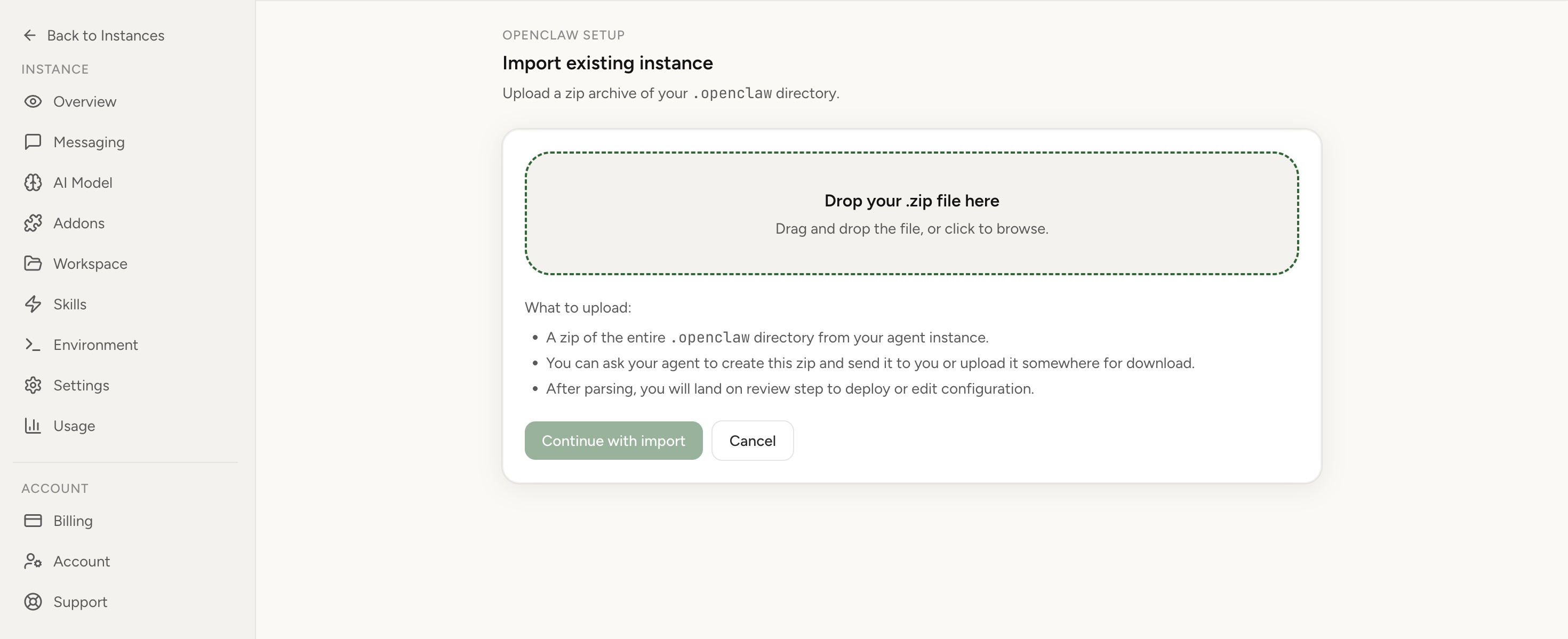
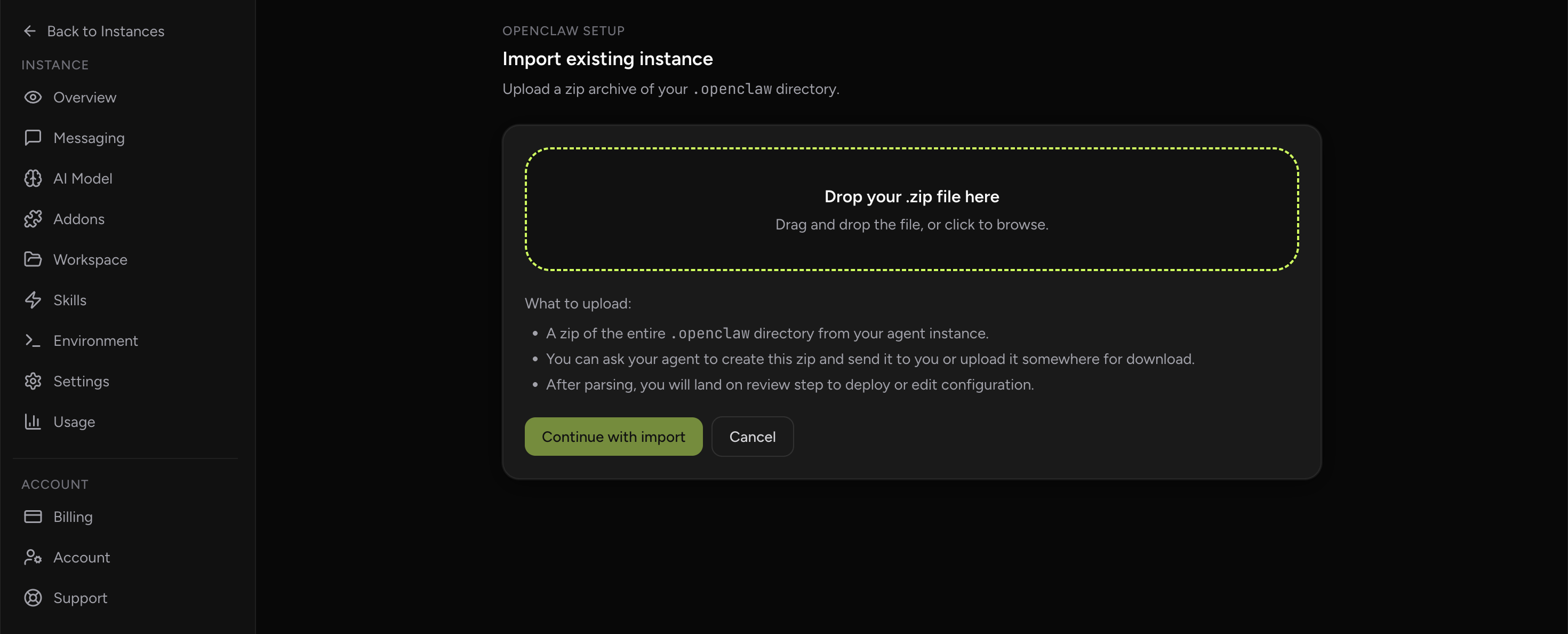
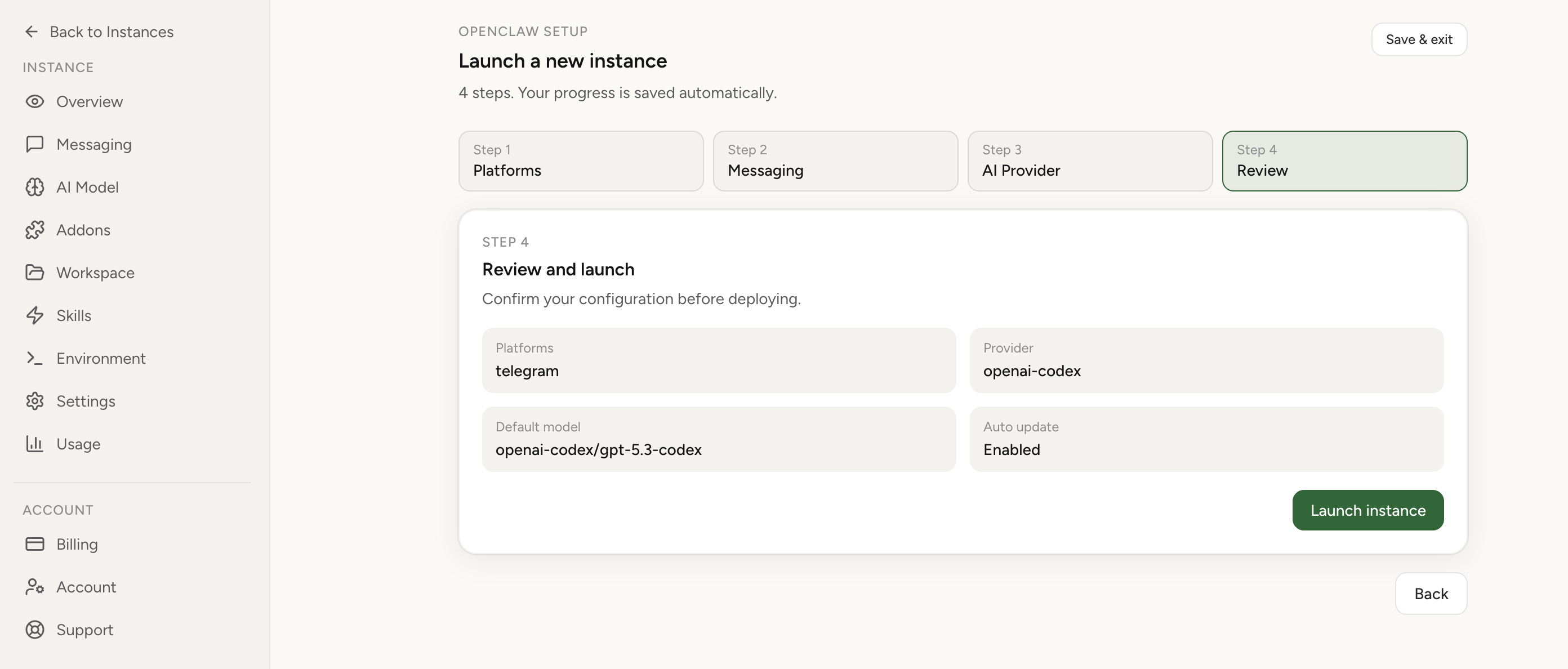
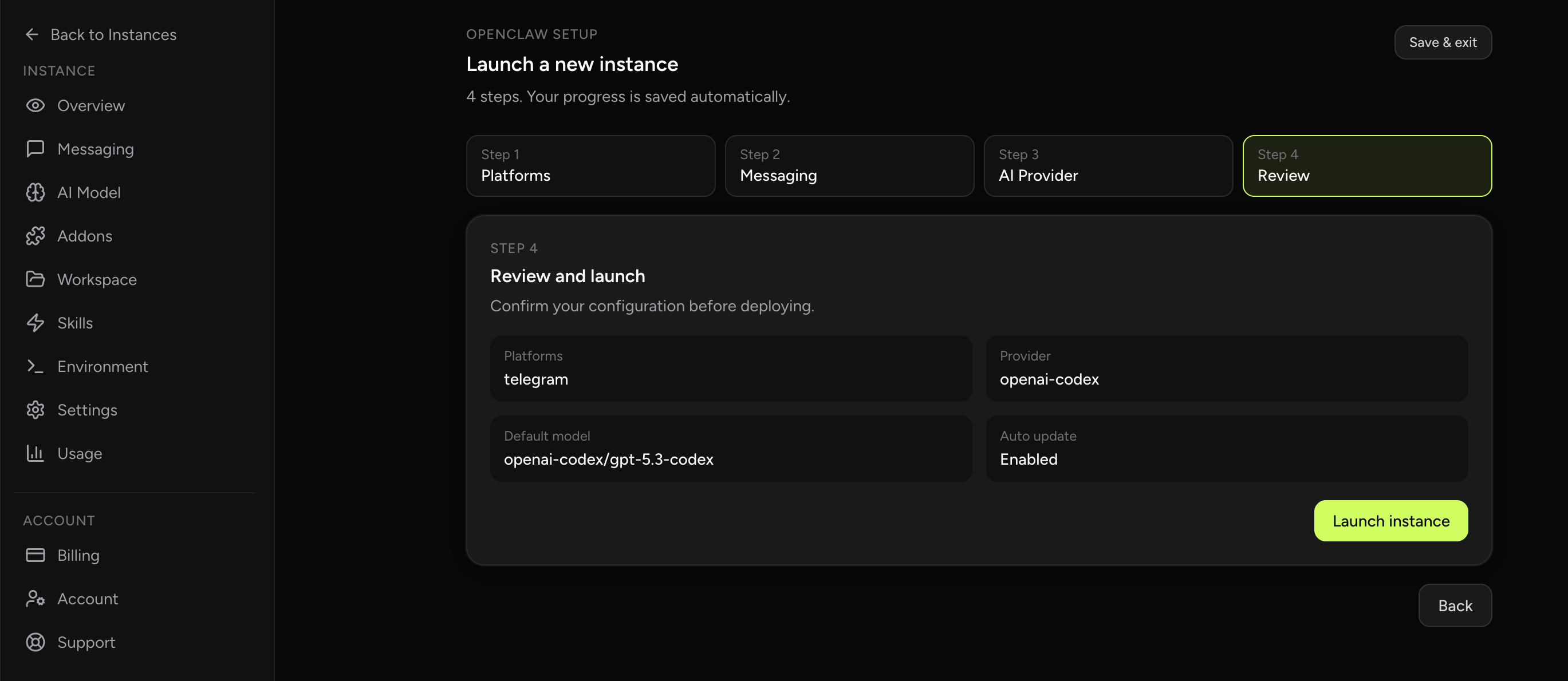
Move production OpenClaw into managed hosting, keep snapshots and logs close, and run the same smoke test after every update.
Move OpenClaw to managed hosting Compare self-hosted maintenance burden
Sources and related reading
- Rama Digital community report on possible 2026.5.18 regressions
- OpenClaw webhook documentation
- OpenClaw backup before upgrades recovery guide
- OpenClaw downgrade and rollback after broken update
- OpenClaw cron enqueued not running complete fix
- OpenClaw exec tool missing recovery guide
- OpenClaw Telegram action completion receipts
- OpenClaw WhatsApp disconnect fails offline fix