OpenClaw mobile control surfaces: hosted agent checklist for teams
Fast answer: mobile control is useful only when the agent is always on, reachable, and recoverable. If your phone is the control surface, the laptop, VPS, network, browser profile, and cron layer cannot be single points of failure.
OpenClaw's current release stream includes mobile and channel improvements, and community release discussion has highlighted better iPhone and iPad control surfaces. Keep the claim narrow: that is a reason to test mobile operations, not proof that every production workflow belongs on a phone.
Mobile readiness checklist
- Secure the access path: know which dashboard, channel, or relay your phone uses and which identity check protects it.
- Test built-in chat: confirm the agent produces a complete answer from mobile, not just a typing indicator.
- Test external channels: Telegram, Slack, or WhatsApp should deliver final answers and useful failure messages.
- Check cron visibility: you need to see scheduled-job status, not just hope jobs run while you are away.
- Decide browser mode: use hosted browser when cloud-side state matters; use relay only when a local personal browser is truly required.
- Define the alert path: material failures should reach the operator without requiring a laptop check.
What to test before trusting mobile control
- One harmless command: ask for a short status readback from the mobile surface.
- One channel round trip: verify the message enters the correct agent and returns to the same conversation.
- One scheduled job check: open the cron surface and confirm last run, next run, and current status are visible.
- One browser check: confirm the expected hosted browser or relay path is available from the operator flow.
- One recovery drill: know who restarts, pauses, or escalates when mobile shows a real blocker.
When mobile is not enough
Phones are excellent for triage, approval, short prompts, status checks, and "keep this moving" decisions. They are a poor place to handle long implementation reviews, credential rotation, captcha/login recovery, risky external sends, or large code diffs. Those jobs need a controlled operator surface with enough screen space and audit context.
The mistake is treating mobile access as a full operations strategy. It is not. The operations strategy is an always-on runtime with observable channels, cron, browser, credentials, and recovery. Mobile should sit on top of that, not replace it.
Where managed hosting helps
Lobsterland keeps the agent runtime online so mobile becomes a control surface rather than the machine that has to stay awake. That matters for founders and teams who want to approve work from a phone, check a run from an iPad, or send a quick instruction from chat without rebuilding networking, browser state, and scheduled jobs every time their laptop sleeps.
Internal runbooks
- Always-on AI agent for Telegram and Slack
- OpenClaw cloud hosting
- Built-in chat
- Cron job management
- Hosted browser
- Keep OpenClaw online when your laptop sleeps
- Secure hosted browser access
Sources
Stop babysitting your OpenClaw box
Fix it once — or stop fixing it for good.
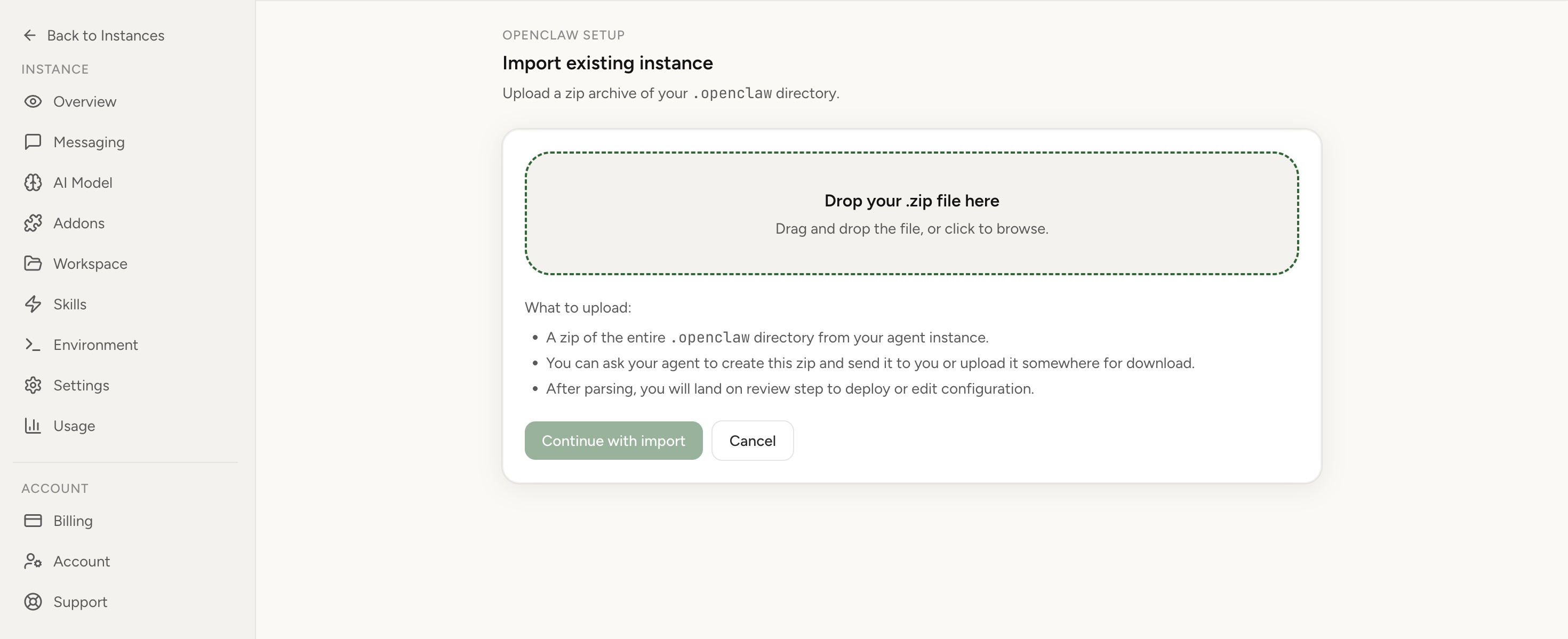
Apply the checklist above and keep self-hosting, or skip the maintenance entirely: run your OpenClaw on managed hosting from $6.90/mo, starting with a 7-day free trial. We handle the stale locks, gateway restarts, version upgrades, and uptime — and you can import your existing instance in a couple of minutes. Cancel anytime.
- Managed hosting handles stale
.jsonl.lockfiles, gateway restarts, and version upgrades for you - Import your existing OpenClaw setup in minutes — keep your channels and configuration
- The optional $199 setup is scoped: no custom development, enterprise/SRE support, or unsupported self-hosting repair
If you would rather compare options first, review OpenClaw cloud hosting or see the best OpenClaw hosting options before deciding.