OpenClaw dashboard disconnects after the 2026.5.27 update?
If the OpenClaw dashboard keeps disconnecting, Telegram replies become unreliable, and openclaw gateway status --deep
alternates between healthy and unloaded after the 2026.5.27 update, inspect macOS launchd before blaming Telegram. A stuck update job
can look like a channel outage.
Check whether a label such as openclaw-update-2026-05-27 is still present or respawning. Compare its timestamps with
Gateway unload, SIGTERM, shutdown, restart, WebSocket disconnect, and Telegram failure timestamps before making changes.
- A Reddit PSA from 2026-06-07 reports dashboard disconnects, Telegram unreliability, Gateway unload/restart loops, and a stuck
openclaw-update-2026-05-27launchd job. The poster reported stability after removing the stuck job. - Use this as a diagnostic pattern, not as universal root-cause confirmation. Verify your local launchd labels and logs first.
Symptom cluster
- The dashboard repeatedly disconnects with WebSocket or Gateway errors.
- Telegram replies are intermittent or stop during Gateway restarts.
openclaw gateway status --deepchanges between healthy and unloaded.- Logs show repeated
SIGTERM, shutdown, service start, or restart cycles. - The instability started after a specific update window, especially around 2026.5.27.
Why this is not necessarily a Telegram issue
Telegram depends on a stable Gateway. If an update job repeatedly unloads or restarts the Gateway, Telegram will naturally look unreliable because the channel listener and reply path keep losing their process. The dashboard can show the same root problem as WebSocket disconnects.
The important diagnostic move is to line up timestamps. If every Telegram failure and dashboard disconnect is close to a Gateway shutdown or launchd update job event, focus on service lifecycle first.
Safe diagnostic path
1. Back up OpenClaw state
Before changing launchd jobs, back up the relevant OpenClaw state, service metadata, and logs. You need enough evidence to roll back if the suspected update job is not actually the problem.
2. Inspect launchd jobs and logs
List OpenClaw-related launchd labels and identify any update job that should have completed but remains loaded or keeps respawning.
Look for labels similar to openclaw-update-2026-05-27, then inspect logs around Gateway restart times.
3. Correlate restart timing
Build a simple timeline: dashboard disconnect, Telegram missed reply, Gateway unload, update job start, Gateway restart, and first successful post-restart message. Correlation does not prove causation, but it tells you whether the stuck job deserves priority.
4. Remove or boot out only the confirmed stuck job
If you confirm a stale update job is still active, remove or boot out the exact label using documented macOS/OpenClaw service management steps. Do not bulk-delete launchd files by name pattern. A careful single-label change is easier to audit and undo.
5. Restart Gateway and verify real channels
Restart the Gateway once after cleanup. Then verify the dashboard stays connected and Telegram can complete several normal turns. A green process status is not enough; the user-visible channel has to reply.
Stop babysitting your OpenClaw box
Fix it once — or stop fixing it for good.
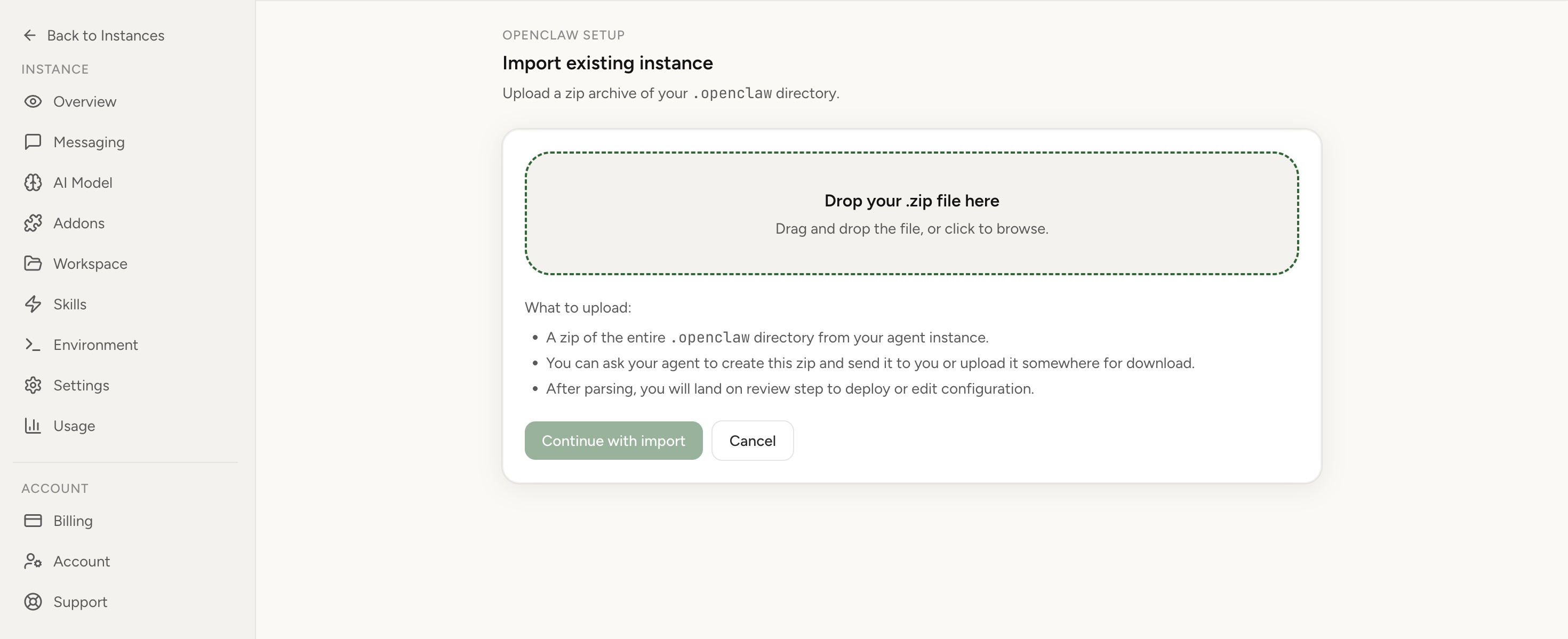
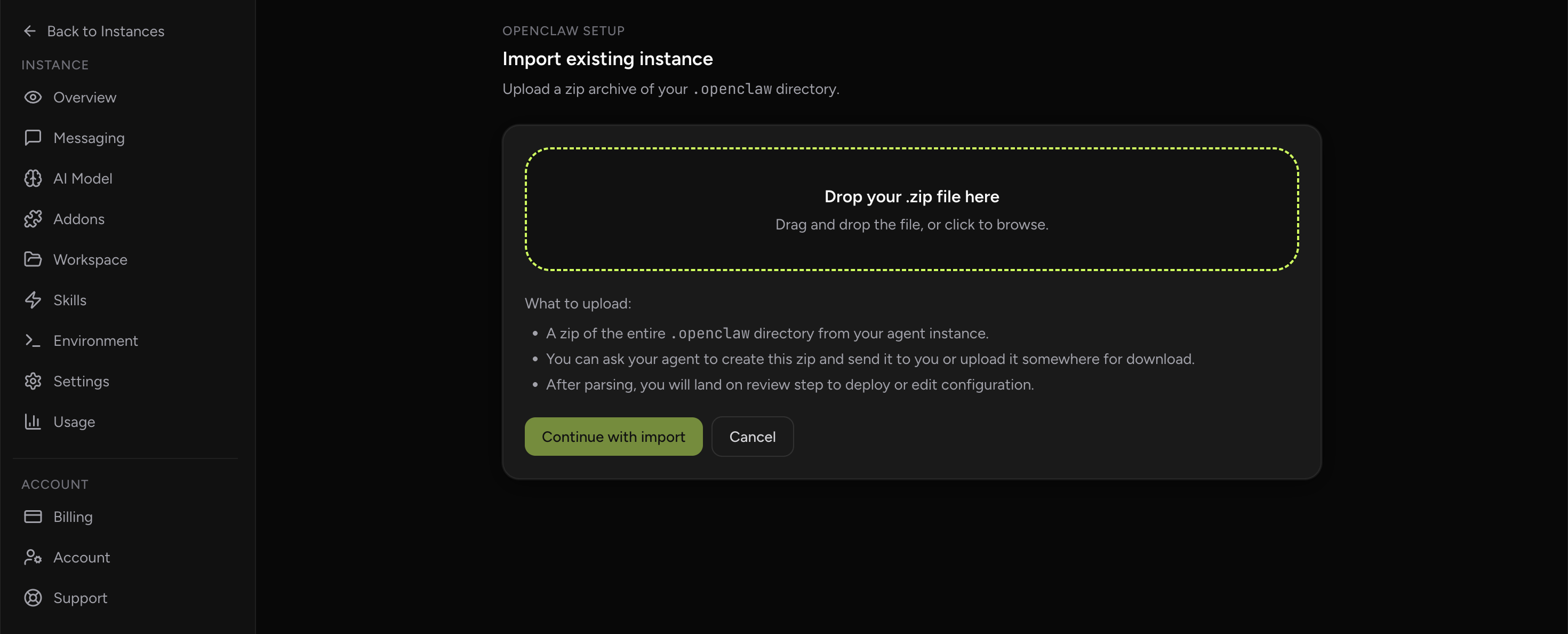
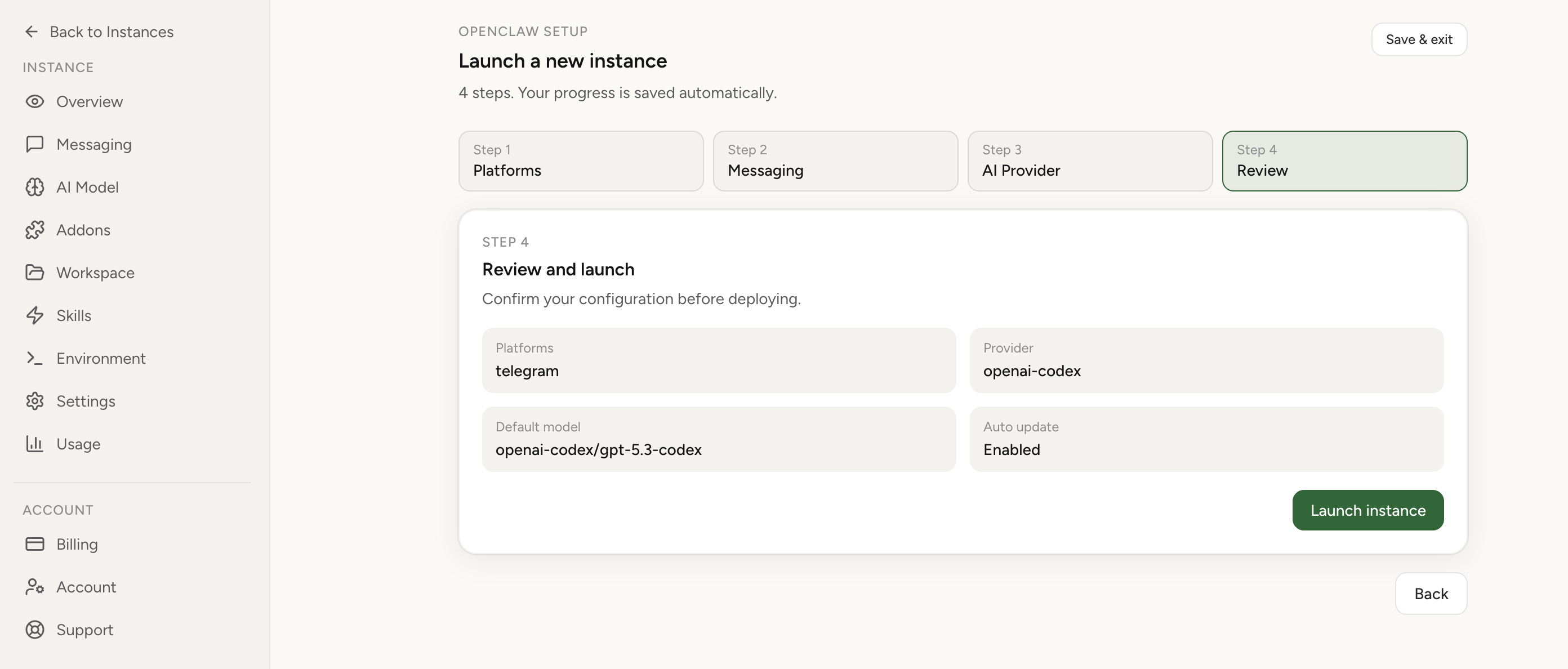
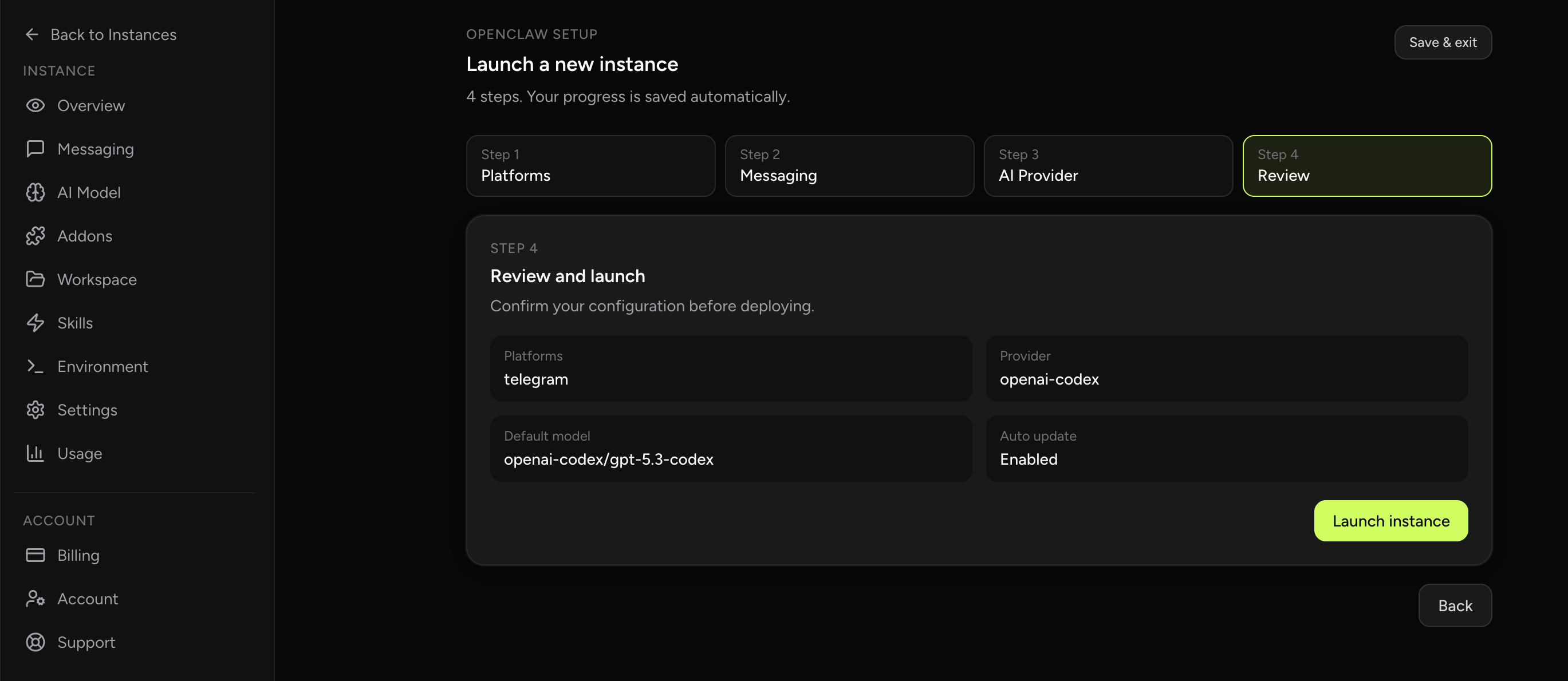
Apply the checklist above and keep self-hosting, or skip the maintenance entirely: run your OpenClaw on managed hosting from $6.90/mo, starting with a 7-day free trial. We handle the stale locks, gateway restarts, version upgrades, and uptime — and you can import your existing instance in a couple of minutes. Cancel anytime.
- Managed hosting handles stale
.jsonl.lockfiles, gateway restarts, and version upgrades for you - Import your existing OpenClaw setup in minutes — keep your channels and configuration
- The optional $199 setup is scoped: no custom development, enterprise/SRE support, or unsupported self-hosting repair
If you would rather compare options first, review OpenClaw cloud hosting or see the best OpenClaw hosting options before deciding.
Verification checklist
- No recurring update-job launches after cleanup.
- No repeated Gateway unload/restart loop over the next observation window.
- Dashboard WebSocket remains connected during normal use.
- Telegram sends and receives several test replies in the same chat or topic that was failing.
- The service labels and recovery steps are documented for the next update window.
Why managed hosting avoids local launchd churn
Lobsterland users should not have to triage macOS launchd update jobs for hosted agents. The hosted environment owns update orchestration, Gateway process supervision, and runtime recovery. That leaves your team debugging workflows instead of local service-manager state.
Related Lobsterland guides
- OpenClaw Gateway restart drops chat replies fix
- OpenClaw 2026.6.1 beta upgrade checklist
- OpenClaw backup before upgrades recovery guide
- Managed OpenClaw hosting