OpenClaw 2026.6.1 Beta Upgrade Checklist for Hosted Teams
Quick answer: upgrade to OpenClaw 2026.6.1 beta only if you need the beta fixes and can test channels, plugins, providers, browser access, and cron jobs before production traffic depends on it. If your current instance is stable and the beta fixes are not urgent, wait for a stable release.
The OpenClaw releases page lists a 2026.6.1 beta on June 1, 2026, with fixes around interrupted tool calls, stale session bindings, compaction handoffs, media delivery retries, channel delivery, bounded provider/plugin requests, loader failures, and plugin install ledger behavior. That is useful upgrade signal, not a reason to skip verification.
Pre-upgrade checklist
- Record current versions: capture OpenClaw version, install method, runtime image, and plugin versions.
- Confirm backup or export: protect workspace state, skills, memory files, and runtime configuration.
- List connected channels: note Telegram, Slack, WhatsApp, iMessage, Discord, or other delivery paths.
- List active cron jobs: identify scheduled work that must not silently fail after the upgrade.
- Save provider settings: document configured providers, OAuth routes, API keys, and SecretRef-backed values without exposing secrets.
- Capture known failures: write down what was already broken so regression checks do not blame the beta for old drift.
Post-upgrade test matrix
- Built-in chat: first output arrives promptly and the final answer completes.
- Channels: Telegram, Slack, WhatsApp, or iMessage delivers the final answer, not just typing status.
- Cron: one harmless scheduled job executes and reports completion.
- Browser: one hosted browser task loads a page and returns tool output.
- Providers: one provider-auth task uses the expected account and model route.
- Plugins: plugin list has no surprise downgrade and one plugin-powered task works.
When managed hosting is the better answer
The operational burden of an OpenClaw beta is knowing whether credentials reached the runtime, whether cron jobs still run, whether channel replies deliver, whether browser state is intact, and whether rollback is available. Lobsterland helps with isolated runtimes, dashboard environment management, usage visibility, hosted browser access, skills management, cron management, and clearer recovery paths.
Useful internal runbooks
- Lobsterland cron job management
- Lobsterland skills management
- Lobsterland environment management
- OpenClaw setup troubleshooting
- Managed OpenClaw hosting
Sources
- OpenClaw releases page
- Lobsterland cron management page
- Lobsterland skills management page
- Lobsterland environment management page
Stop babysitting your OpenClaw box
Fix it once — or stop fixing it for good.
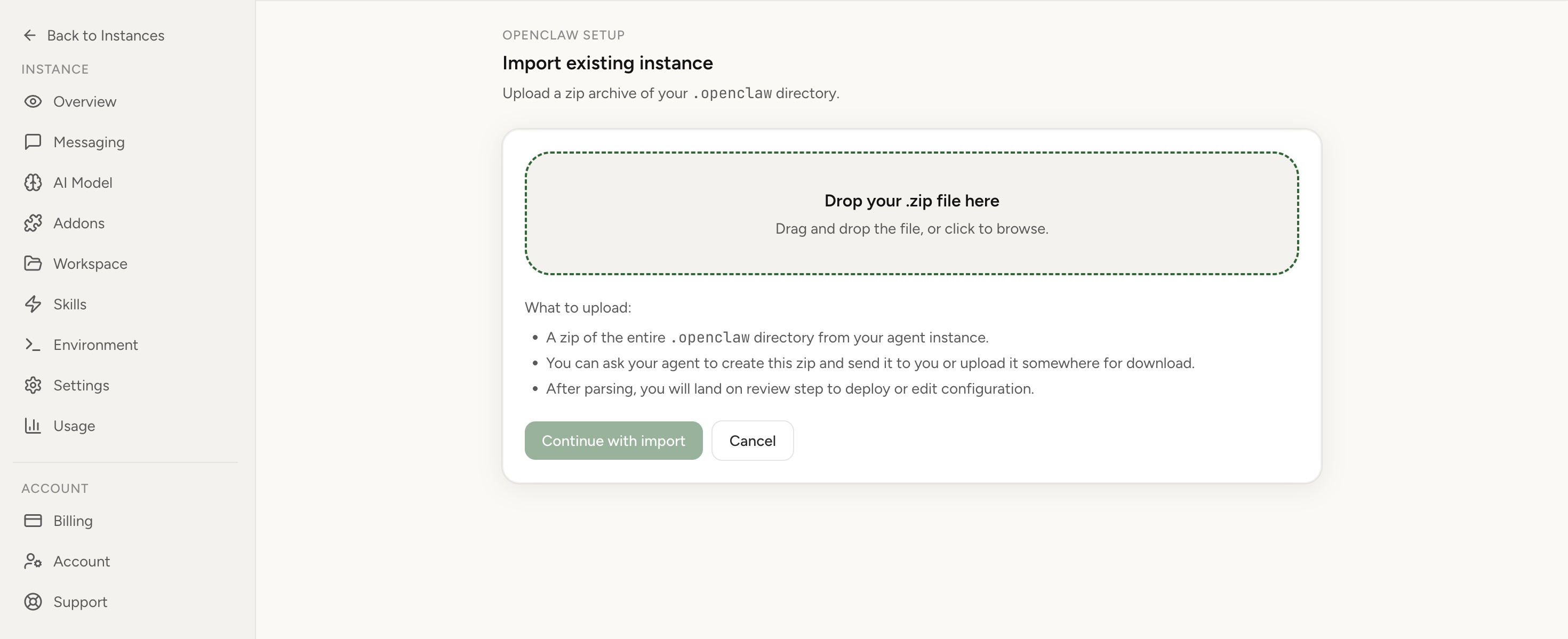
Apply the checklist above and keep self-hosting, or skip the maintenance entirely: run your OpenClaw on managed hosting from $6.90/mo, starting with a 7-day free trial. We handle the stale locks, gateway restarts, version upgrades, and uptime — and you can import your existing instance in a couple of minutes. Cancel anytime.
- Managed hosting handles stale
.jsonl.lockfiles, gateway restarts, and version upgrades for you - Import your existing OpenClaw setup in minutes — keep your channels and configuration
- The optional $199 setup is scoped: no custom development, enterprise/SRE support, or unsupported self-hosting repair
If you would rather compare options first, review OpenClaw cloud hosting or see the best OpenClaw hosting options before deciding.