OpenClaw 5.27 OpenAI OAuth tools missing after native hook changes: recovery checklist
Problem statement: after upgrading OpenClaw, OpenAI OAuth or Codex-backed model routes appear available, but tools stop working or a PreToolUse native hook blocks execution. Treat this as a provider-routing and native-hook recovery problem, not as a reason to delete working credentials.
- A current r/openclaw report describes a 5.27 update breaking OpenAI OAuth model usage and blocking tools with
PreToolUsehook errors. - A related GitHub issue documents the relay remaining unavailable even after gateway restart in an OAuth-backed setup.
- Those sources prove the symptom pattern, but not one universal root cause for every installation.
Confirm what actually changed
- Record the exact previous version, current version, provider route, model string, and auth mode.
- Confirm whether the failure affects
openai/*,openai-codex/*,codex/*, or only one configured profile. - Start a fresh session and test one harmless native tool before changing global config.
- Check whether non-OpenAI providers still have working tools; that separates hook relay failure from general tool loss.
- Save gateway/session logs that include the first
PreToolUseor relay error.
Provider and auth checks
- Do not mix routes blindly: direct OpenAI API-key routes and Codex/OAuth routes can behave differently.
- Verify the active profile: make sure the agent is using the auth profile you think it is using.
- Check fallback providers: a stale fallback can make chat appear alive while tools run through a different path.
- Inspect config migration: version jumps can leave old provider names, stale auth stores, or invalid route assumptions.
- Preserve credentials: do not delete OAuth files until you have a snapshot and a known re-login path.
Native hook relay checks
The native hook relay is part of the path that lets OpenClaw mediate tool execution. If it is unavailable, the agent can still answer text while shell, file, browser, or plugin tools are blocked. Restarting the gateway may not fix an already-broken long-running session, so compare a fresh session with the existing one before assuming the whole install is dead.
If a fresh session works, close or archive the broken session and preserve the logs. If fresh sessions still fail, treat this as an installation-level runtime problem and move to rollback or pinning.
Safe rollback or pinning path
- Snapshot
~/.openclaw, service files, env files, and any provider auth stores. - Export a minimal reproduction: one model route, one prompt, one harmless tool call, and the full error.
- Pin the last known-good version if production agents need tools today.
- After rollback, verify chat, tool calls, cron jobs, and channel delivery separately.
- Only then reintroduce the upgraded version in a staging instance.
Managed-hosting path
Provider auth and native tool relay bugs are especially painful for small teams because they look like model problems, config problems, and runtime problems at the same time. Lobsterland is designed to reduce that operational load with managed OpenClaw hosting, tested provider setup paths, isolated workspaces, and dashboard-managed environments.
Start with the OpenAI setup guide, review CLI authentication support, and compare with the older OAuth route failure guide. If your fallback path is OpenRouter, check the OpenRouter empty replies guide too.
Sources
- r/openclaw: 5.27 update broke OpenAI OAuth model usage
- GitHub issue #73723: native hook relay unavailable after gateway restart
- OpenClaw OpenAI provider documentation
Stop babysitting your OpenClaw box
Fix it once — or stop fixing it for good.
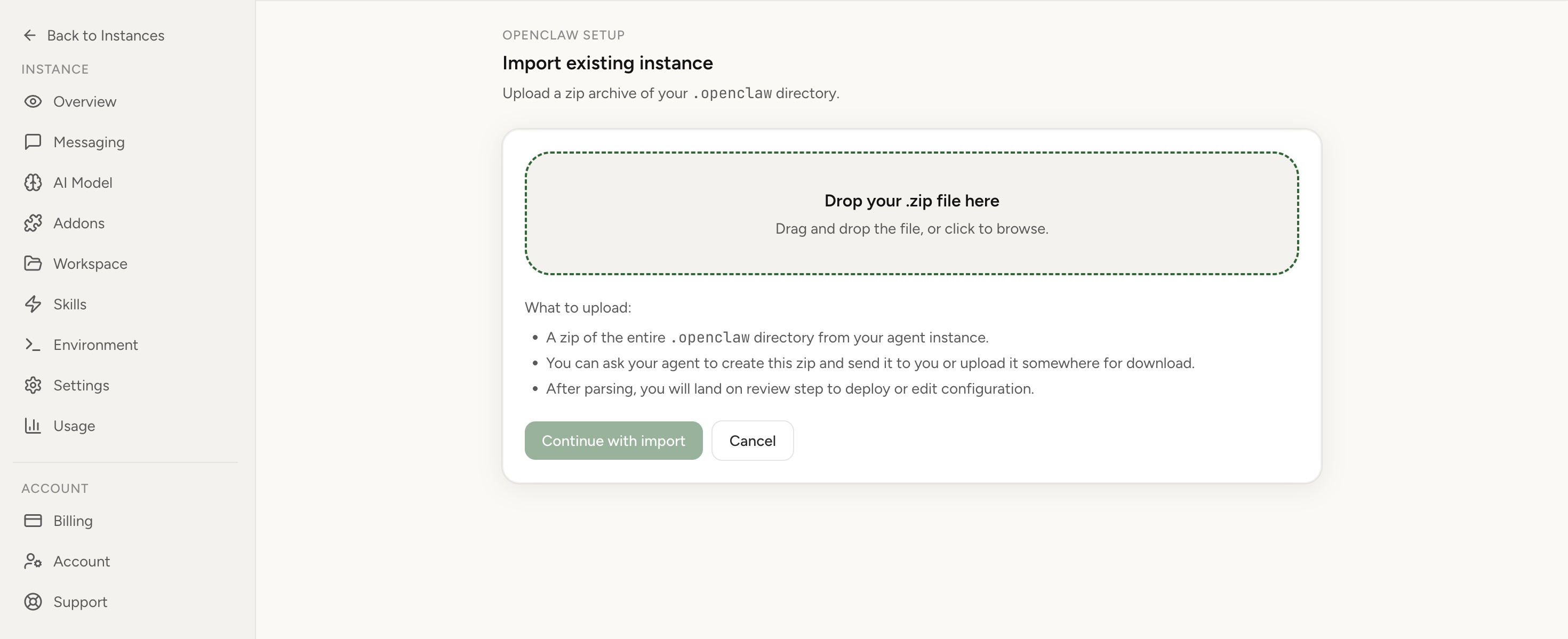
Apply the checklist above and keep self-hosting, or skip the maintenance entirely: run your OpenClaw on managed hosting from $6.90/mo, starting with a 7-day free trial. We handle the stale locks, gateway restarts, version upgrades, and uptime — and you can import your existing instance in a couple of minutes. Cancel anytime.
- Managed hosting handles stale
.jsonl.lockfiles, gateway restarts, and version upgrades for you - Import your existing OpenClaw setup in minutes — keep your channels and configuration
- The optional $199 setup is scoped: no custom development, enterprise/SRE support, or unsupported self-hosting repair
If you would rather compare options first, review OpenClaw cloud hosting or see the best OpenClaw hosting options before deciding.